Creating Event Flow: How to Build a Timeline Guests Actually Enjoy
Quick answer: A good event timeline sequences arrival, ceremony, cocktail hour, dinner, speeches, and dancing with built-in buffers so no moment feels rushed or stalled. The best wedding and party timelines in NJ, NY, and PA balance music, photos, and transitions around your venue’s real constraints, not a generic template.
Key takeaways
- A strong timeline builds buffer time between every segment so one late photo or long toast doesn’t derail the whole night.
- Reception length varies by venue and package, so protect enough time for dinner, speeches, and a meaningful dancing block.
- The DJ or MC, photographer, and videographer need a shared copy of the same timeline, not three separate versions.
- Grouping transitions (family photos right after the ceremony, speeches right after dinner service) keeps energy from dipping.
- Outdoor and shore venues in New Jersey need extra buffer for weather, sunset timing, and longer load-in or load-out windows.
What Does “Event Flow” Actually Mean?
Event flow is the way your guests experience the order and pacing of your celebration, not just the list of what happens and when. A wedding or party can have every vendor booked and every detail chosen and still feel disjointed if the transitions between moments are clumsy or rushed.
Good flow means guests are never standing around wondering what’s next, the energy builds instead of resetting over and over, and the big moments (first dance, speeches, cake cutting) land with the room’s full attention instead of competing with a line at the bar. It is less about cramming more into the night and more about sequencing what you already have so each part supports the next.
This is also where an experienced DJ and MC team earns its keep. Your DJ or MC, photographer, videographer, coordinator, and venue team should work from the same run-of-show so transitions can be coordinated in real time.
How Long Should Each Part of the Timeline Take?
There is no single correct timeline, but general ranges help you sanity-check your own plan. Start with the venue’s contracted event window, then account for its curfew, your guest count, the meal style, and the number of formalities. There is no single correct duration for a wedding reception, birthday party, or corporate event.
- Cocktail hour: About an hour is a common planning baseline, but confirm the timing with your venue and caterer.
- Dinner service: Allow more time for a plated, multicourse meal than for a buffet, and ask your caterer for a realistic service window based on the menu and guest count.
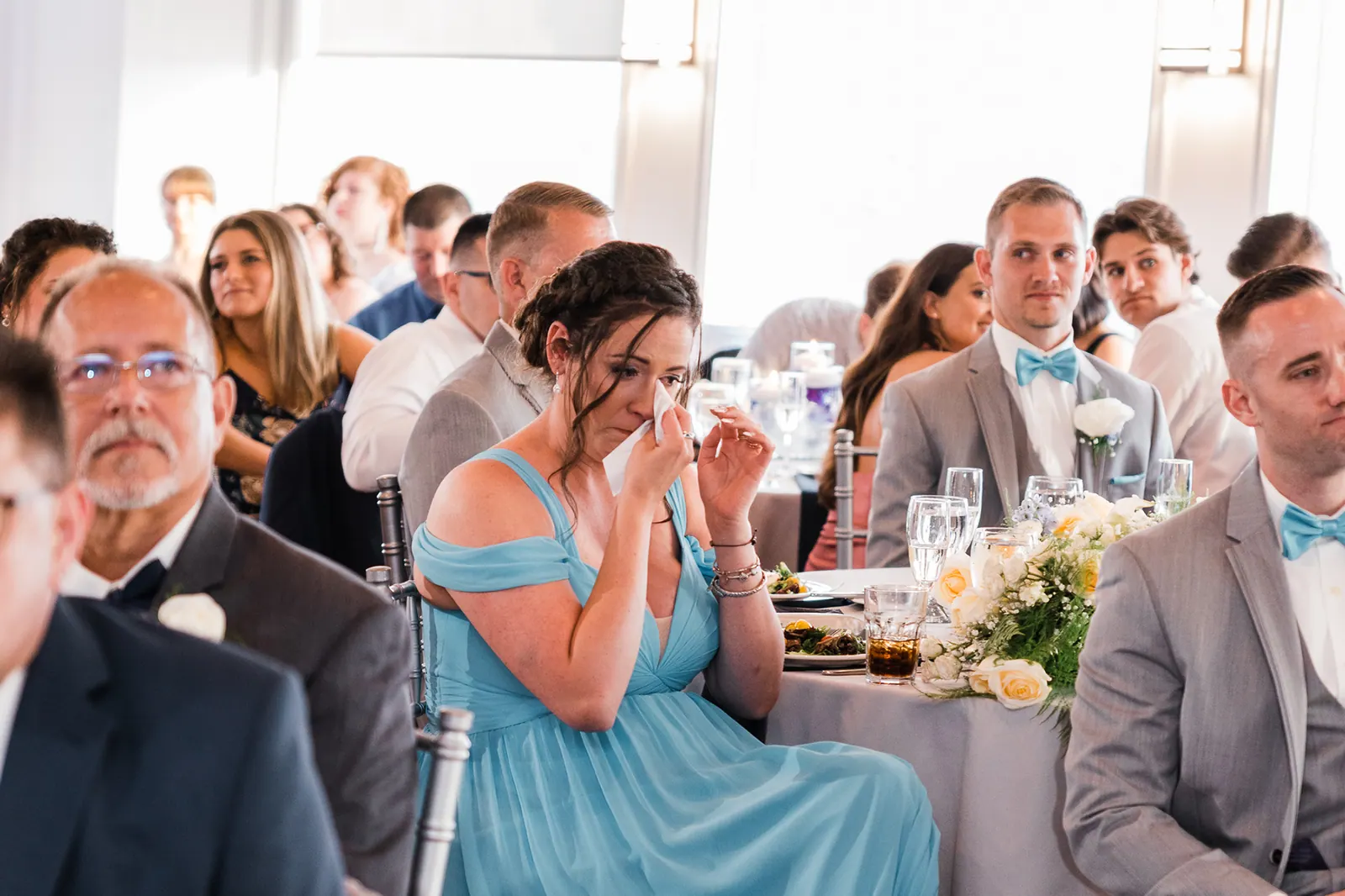
- Speeches and toasts: Agree on a short limit for each speaker and place the toast block where it will not interrupt service.
- Dancing: Protect the largest practical block after accounting for dinner, speeches, and other formalities.
If you are building a reception specifically, our NJ wedding reception timeline guide breaks the evening down hour by hour.
Building the Timeline Step by Step
Rather than starting with a blank page, work backward from your venue’s end time and build forward from guest arrival. This keeps the timeline grounded in your actual day instead of a generic template.
- Lock your hard deadlines first. Venue curfew, ceremony start time, and sunset (for outdoor portraits) are fixed points everything else has to work around.
- Block out vendor arrival and setup. Photographers, videographers, DJs, and live musicians each need load-in time before guests arrive; ask every vendor for their actual setup window rather than assuming.
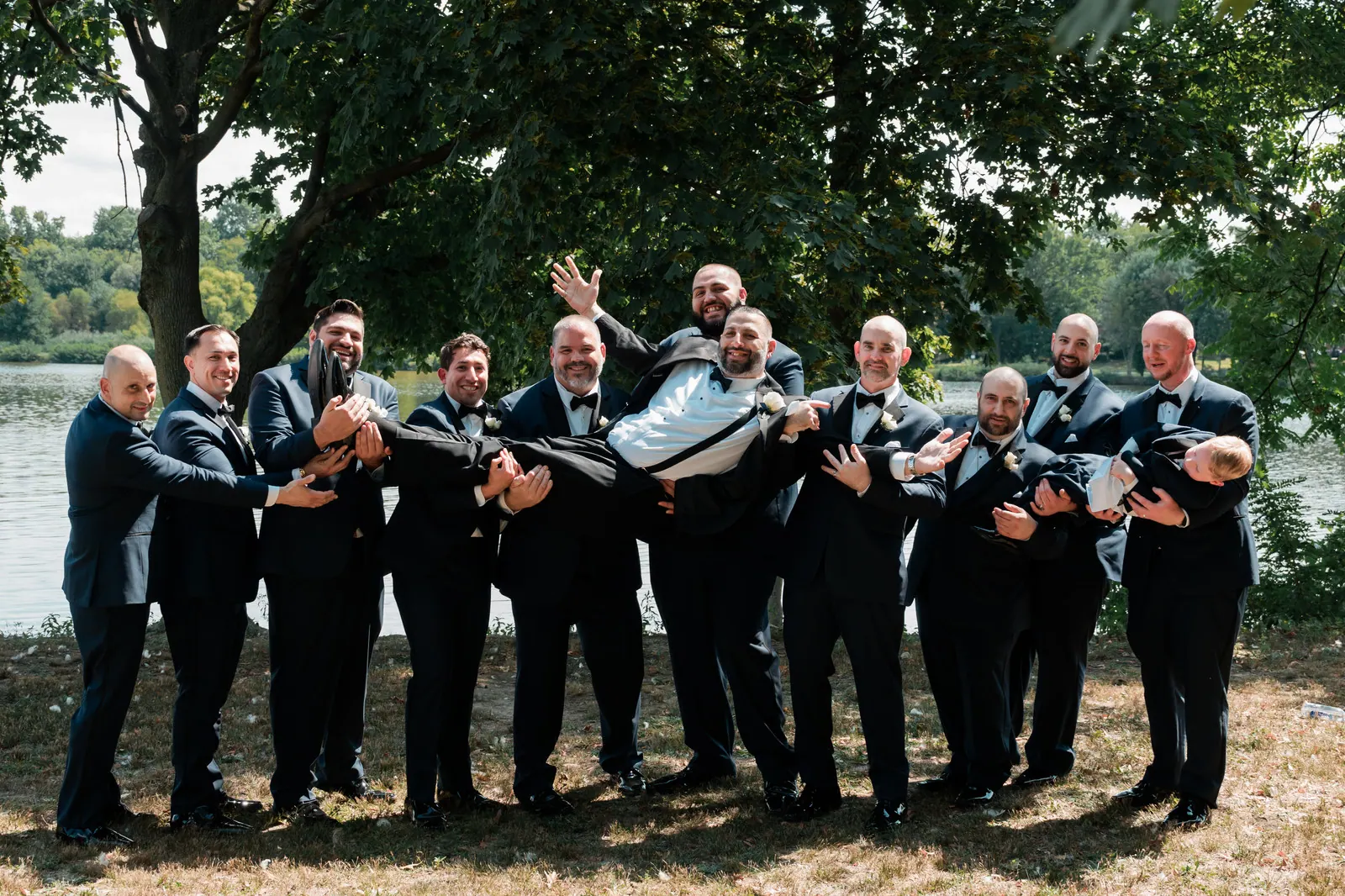
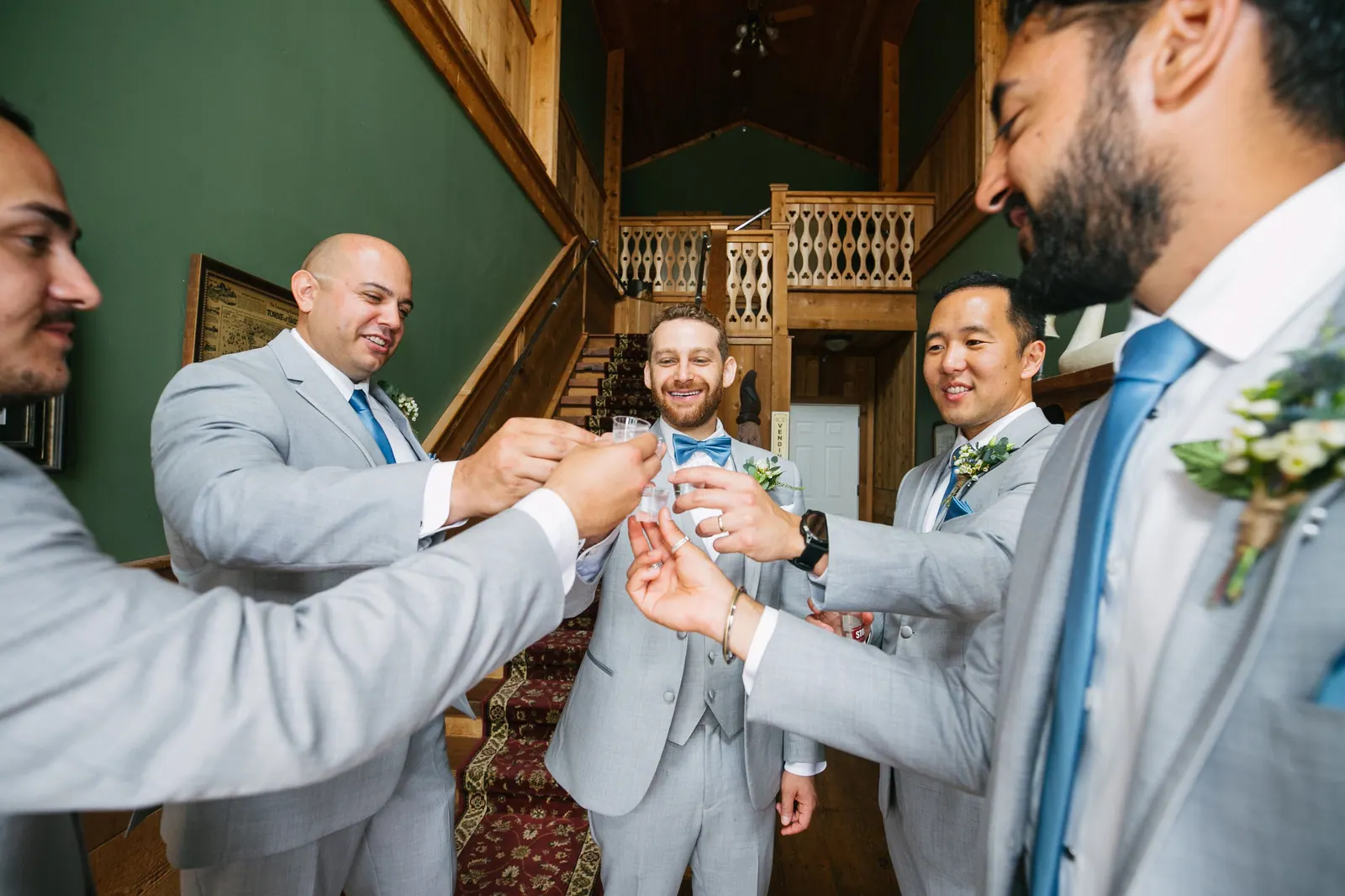
- Group photo time with natural downtime. Family formals and wedding party photos fit best right after the ceremony or during cocktail hour, not pulled from dancing time later.
- Coordinate the formalities. Place the grand entrance, first dance, toasts, and cake cutting around meal service and vendor readiness rather than assuming they should all happen back-to-back.
- Add buffer after every segment. Five to ten extra minutes after photos, speeches, and dinner absorbs the inevitable small delays without pushing the whole night late.
- Share one master document. Every vendor, from your DJ to your florist, should work from the identical timeline, not their own interpretation of a verbal conversation.
For couples who want a ready-made starting point for the music side of this, FNA’s downloadable wedding music and timeline template pairs song choices with each timeline block.
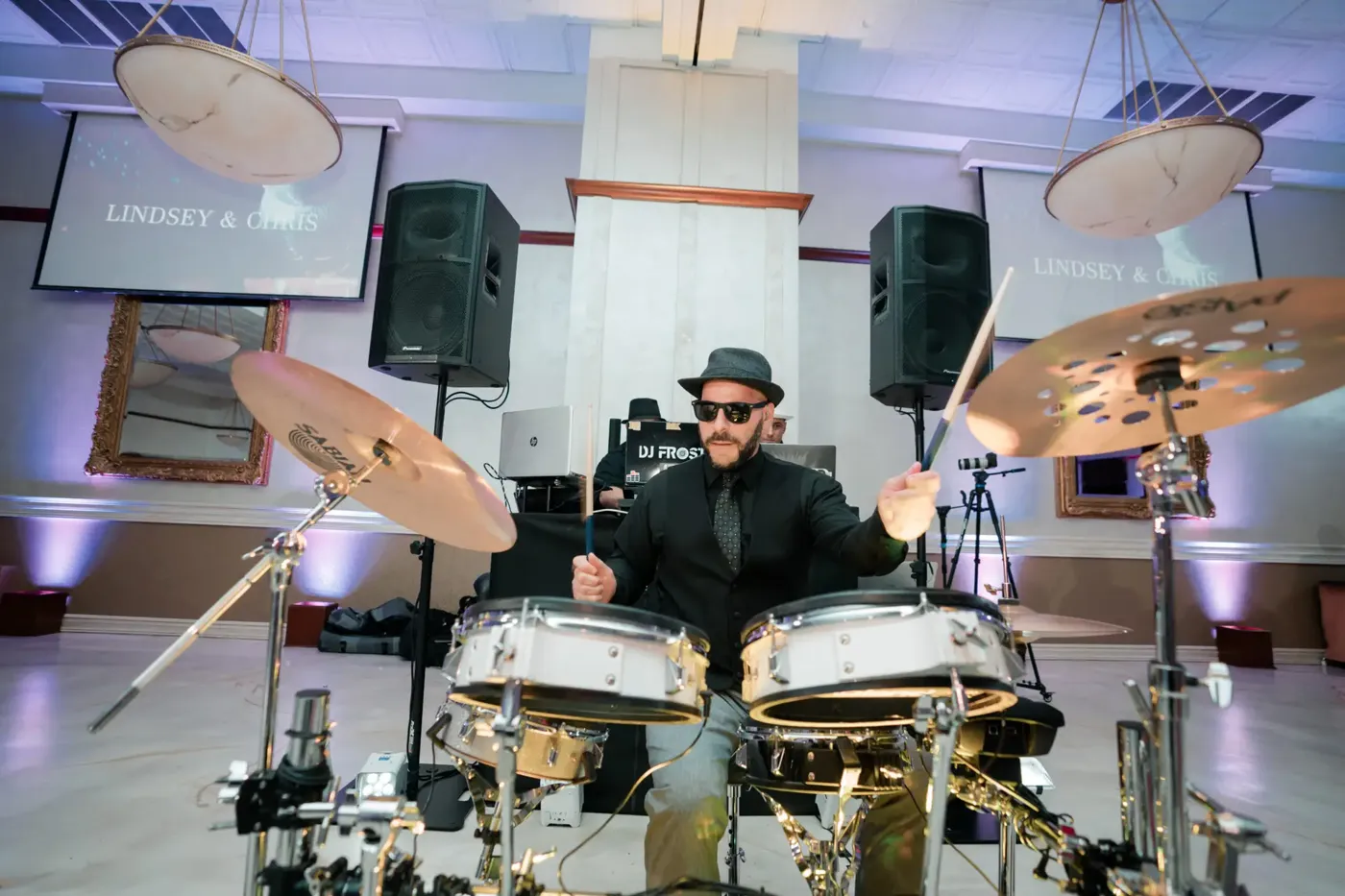
Balancing Music, Photos, Speeches, and Transitions
The trickiest part of any timeline is that music, photography, and formalities all compete for the same hours, and each one can run long for good reasons. A speech that runs two minutes over, or a sunset that arrives earlier than expected, has a ripple effect on everything after it.
A few principles keep that ripple effect small:
- Treat speeches as a fixed block with a clear start and end, not something squeezed between courses.
- Give your photographer a specific, pre-agreed window for formals so the group isn’t standing around in formalwear longer than necessary.
- Let your DJ or MC read the room and adjust music energy between segments, easing guests from dinner conversation into dancing rather than flipping a switch.
- Build transitions, not just events, into the schedule: how guests move from ceremony to cocktail hour, from cocktail hour to the reception room, matters as much as what happens once they arrive.
Coordination between your entertainment and media teams matters here more than almost anything else. Our guide on how to coordinate DJ, photographer, and videographer covers how those three teams stay in sync without a day-of coordinator spelling out every cue.
Sample Timeline Framework
The table below shows an example framework for a wedding reception. Treat it as a planning starting point; your actual times will shift based on guest count, venue layout, and whether your ceremony happens on-site.
| Segment | Example Duration | What Keeps It on Track |
|---|---|---|
| Cocktail hour | 60 minutes | Bar staffing sized to guest count; live musician or DJ playing low-key background music |
| Grand entrance and first dance | 10-15 minutes | DJ/MC cues the room and photographer/videographer are already in position |
| Dinner service | 60-90 minutes | Caterer and DJ coordinate when toasts happen relative to course timing |
| Speeches and toasts | 15-25 minutes total | Speakers briefed on time limits in advance; microphone handoff planned |
| Cake cutting and special dances | 15-20 minutes | Scheduled right after speeches while the room is still seated and attentive |
| Open dancing | 2-3 hours | DJ reading crowd energy and adjusting song selection in real time |
Adding enhancements like Dancing on the Clouds or cold spark fountains for a first dance or exit needs its own line item in the timeline, since these moments require a specific cue from your DJ or MC and sometimes a brief pause in music.
How Local Venues and Seasons Affect Timeline Planning
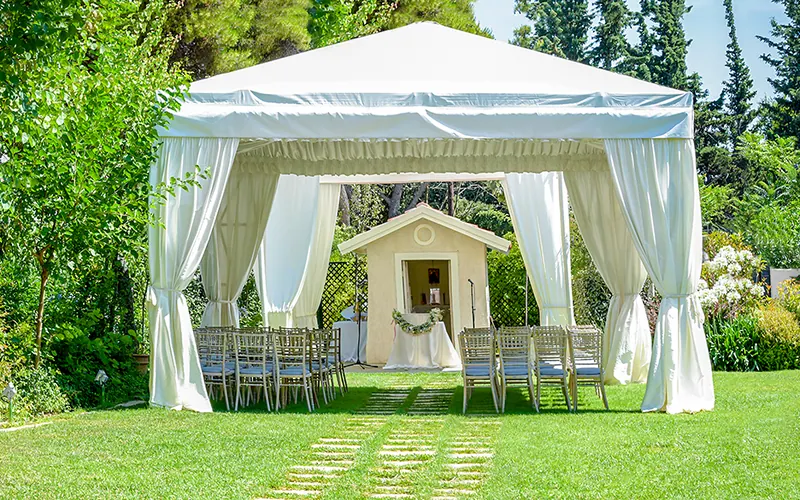
Couples marrying at Jersey Shore, suburban, or city venues each face different timeline pressures. A beach ceremony may need to account for tide and sunset times, while a boardwalk ceremony should account for sunset, public access, and local rules. Outdoor cocktail hours at shore venues also need a rain contingency built into the schedule, not just a backup location mentioned verbally. Indoor venues in North and Central Jersey, by contrast, usually have more predictable timing but may have stricter load-in and curfew rules in city settings.
Season matters too. A late-fall wedding with a 4:30pm sunset needs photos scheduled earlier in the day than a June wedding with light until almost 8:30pm. Winter events may also need extra buffer for guest travel time if weather slows things down.
FNA Events works across New Jersey, New York, and the Philadelphia area, including shore towns, suburban venues, and city settings, and the same DJ, MC, photography, and videography team structure applies no matter the region. See the full list of areas on our service areas page, including dedicated guides for Monmouth County and South Jersey.
Common Timeline Mistakes to Avoid
Most timeline problems come from a handful of repeated mistakes, not bad luck. Watching for these ahead of time is cheaper than fixing them on the day.
- No buffer time anywhere. A timeline with zero slack means one late arrival or long toast pushes everything else back.
- Vendors working from different documents. If your photographer has one timeline and your DJ has another, cues get missed.
- Underestimating photo logistics. Large wedding parties or family groups with complicated combinations take longer than couples expect; a second photographer is often worth considering when getting-ready locations are separate.
- Scattering speeches throughout dinner. This interrupts both the meal and the momentum; grouping them keeps the room’s attention focused.
- Ignoring venue-specific rules. Sound curfews, load-in windows, and outdoor lighting restrictions vary by venue and should be confirmed directly, not assumed.
If you are still deciding which vendors to lock in before building a detailed timeline, our guide to what order to book your wedding vendors is a useful companion piece.
Frequently Asked Questions
How far in advance should I finalize my wedding timeline?
Finalize the detailed timeline once headcounts, vendor arrival windows, catering details, and venue requirements are confirmed, then circulate updates to everyone working from it. Earlier drafts are useful for coordinating vendors, but final times, especially for sunset photos and speeches, should be locked closer to the date.
Who is responsible for keeping the timeline on track during the event?
A planner or day-of coordinator usually oversees the master timeline, while the venue lead and vendor teams manage their portions. The DJ or MC handles announcements and cueing in coordination with that lead.
Should I give my photographer a separate shot list and timeline?
Your photographer needs both: a general timeline showing when photo blocks happen and a shot list detailing specific combinations or moments you want captured. Sharing the full event timeline with them in advance, not just the photo portions, helps them anticipate transitions.
What happens if my ceremony runs long and pushes the rest of the day back?
A good timeline has buffer built in after the ceremony specifically for this reason. If the delay is significant, the coordinator or designated timeline lead should consult the venue, caterer, DJ or MC, and photo team to revise the schedule and protect the couple’s highest-priority moments.
Is a shorter cocktail hour better than a long one?
A 60-minute cocktail hour is generally considered the standard length because it gives guests enough time to mingle and have a drink without creating a long gap before dinner. Extending it much past that risks losing energy before the reception even starts.
Sources
Ready to Check Your Date
If you are planning a wedding or celebration in New Jersey, New York, or the Philadelphia area, the FNA Events team can walk you through DJ and MC entertainment, photography, videography, live music, enhancements, and photo booths, all run by one coordinated crew. Call (844) 373-7411 or visit our contact page to share your date and venue and get pricing for your celebration.
Written by the team at Fresh New Angle Events, Toms River, New Jersey wedding DJs, photographers, videographers, and event professionals serving couples across New Jersey, New York, and the Philadelphia area.