Wedding Film Ideas: Creative Shots and Storytelling Tips for a Cinematic Highlight Reel
Quick answer: The best wedding films combine a clear storytelling structure, such as opening on a meaningful detail and peaking at the vows or first dance, with specific, planned shots instead of hoping the camera catches everything. Build a shot list with your videographer, choose one narrative arc, and layer real sound under the music.
Key takeaways
- A strong highlight film opens on an image or line that frames the story, then saves its biggest emotional beat, often the vows or first dance, for late in the film rather than the very end.
- Choose whether music or spoken audio will provide the main narrative spine; dialogue-driven films can still use music underneath and need clean audio plus a few standout lines from vows or speeches.
- A one-page shot list organized by moment (getting ready, ceremony, portraits, reception) helps your videographer capture what matters most without missing it.
- Layering real ambient sound, laughter, footsteps, toasts, under the music track adds emotional texture that music alone cannot.
- FNA Events films weddings across New Jersey, New York, and the Philadelphia area, tailoring cinematic coverage to each couple’s plans and priorities.
What Makes a Wedding Film Feel Cinematic Instead of Just Recorded?
A wedding film feels cinematic when it tells a story with a beginning, a middle, and a release, rather than stringing together pretty clips in the order they happened. Planning the structure before the wedding can help the finished film feel more cohesive than an edit assembled without clear priorities.
Think of your film the way a short documentary editor would. You need an opening that sets the tone, a build that raises stakes, a peak moment that carries the most emotion, and a quiet release at the end. Without that shape, even beautifully shot footage can feel like a highlight reel of unrelated moments instead of a story about your day.
This is also why couples ask us about the difference between a highlight reel and a full-length film. If you are still deciding which one fits your day, our guide on wedding video styles explained breaks down documentary, cinematic, and highlight approaches side by side.
How Should a Wedding Highlight Film Open?
The opening sets expectations for everything that follows, so it deserves more thought than couples usually give it. Three openings often work well: a line of dialogue that frames the story, a strong establishing image of the venue held just long enough to set the mood, or a meaningful detail such as a handwritten vow card or family ring.
Avoid opening with a wide, static shot of the venue that runs too long. It can read as a real estate video rather than the start of a love story. A better approach is to open mid-action, such as a parent’s reaction while helping with a veil, or a close-up of hands as a letter is read.
Three Reliable Openings
- A spoken line: a few seconds of a vow, toast, or voicemail played over early images.
- A held image: the venue or ceremony space, shown briefly enough to set tone without stalling momentum.
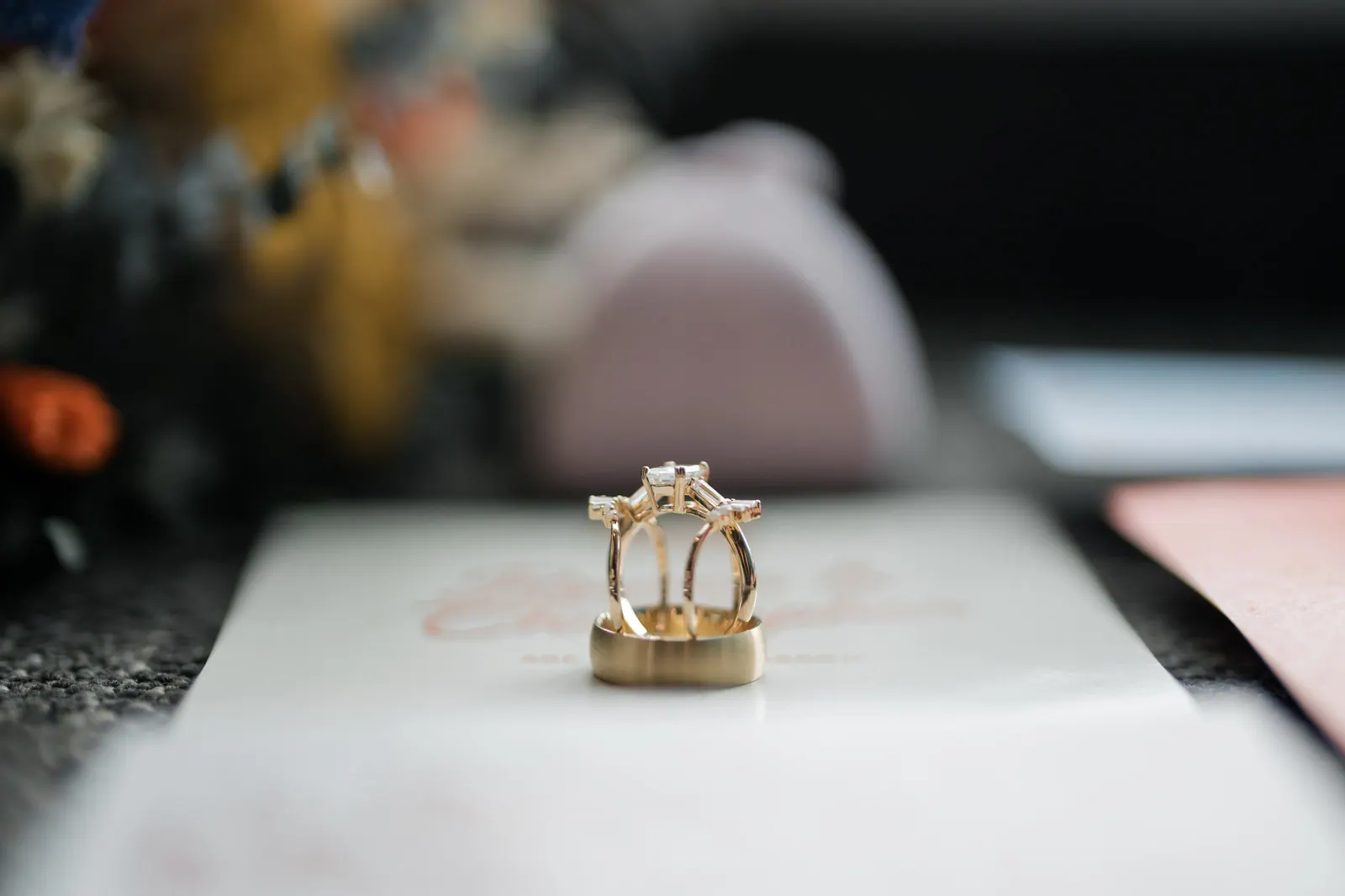
- A small object: rings, an heirloom, or a letter shot in close-up to hint at the story to come.
Where Should the Emotional Peak Go in Your Wedding Video?
Most couples assume the biggest moment, the kiss, the first dance, the vows, should close the film. Editors who specialize in highlight structure generally disagree. The peak works better placed late in the film but not at the very end, because the footage after it becomes the release that makes the whole piece feel finished rather than abruptly cut off.
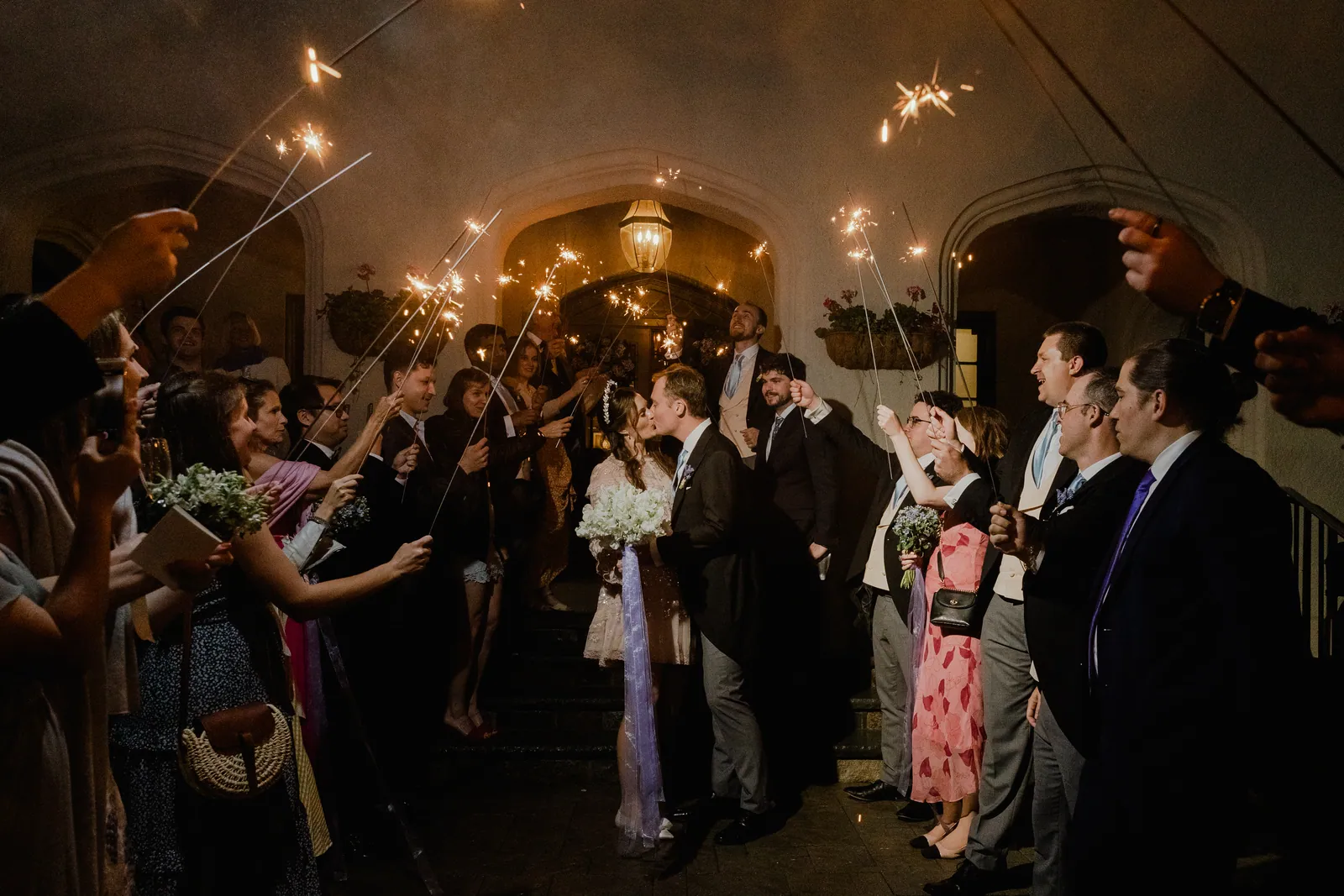
A typical build looks like this: quiet getting-ready moments, then rising energy through the ceremony walk and vows, then the single strongest beat, often the first look or first dance, followed by a short, calmer closing shot such as the couple walking off together or a last quiet exchange. Cutting straight from the peak to black can leave viewers unsettled rather than satisfied.
If you want live music woven into that emotional arc, our live wedding musicians who play with your DJ page shows how saxophone, strings, or percussion can score key moments like the aisle walk or first dance in real time, which often becomes some of the best natural audio in the final film.
Should You Build a Highlight Film Around Music or Dialogue?
This is one of the first decisions worth making before the wedding day, because it changes what your videographer should prioritize capturing. In a music-only highlight, the song’s verses and builds dictate where cuts land. This approach tends to work well when the couple is more private, when spoken audio from the day may be inconsistent, or when the day was more visually striking than verbally memorable.
A dialogue-driven highlight uses spoken words, vows, a letter, a line from a toast, as the spine, with music underneath supporting rather than leading. This format needs clean audio and a few lines strong enough to stand alone, so speakers should use a working microphone and the production team should minimize avoidable background noise.
| Structure | Best For | What It Needs |
|---|---|---|
| Music-only highlight | Private couples, visually strong venues, uncertain audio conditions | One or two strong songs, no more |
| Dialogue-driven highlight | Couples with strong vows or speeches, clear storytelling goals | Clean mic audio, a few standout spoken lines |
| Hybrid approach | Couples who want both emotional narration and music-driven montage sections | Careful editing to avoid the film feeling split in two |
What Shots Should You Request From Your Videographer?
A concise shot list grouped by moment can help the videographer prioritize the details and reactions that matter most to you. Share it with your videographer during your planning call so it can be worked into the day’s timeline rather than handed over as a surprise on the morning of.
Getting Ready
- The reveal walk: a partner or parent seeing the dress for the first time, shot from behind so the reaction fills the frame.
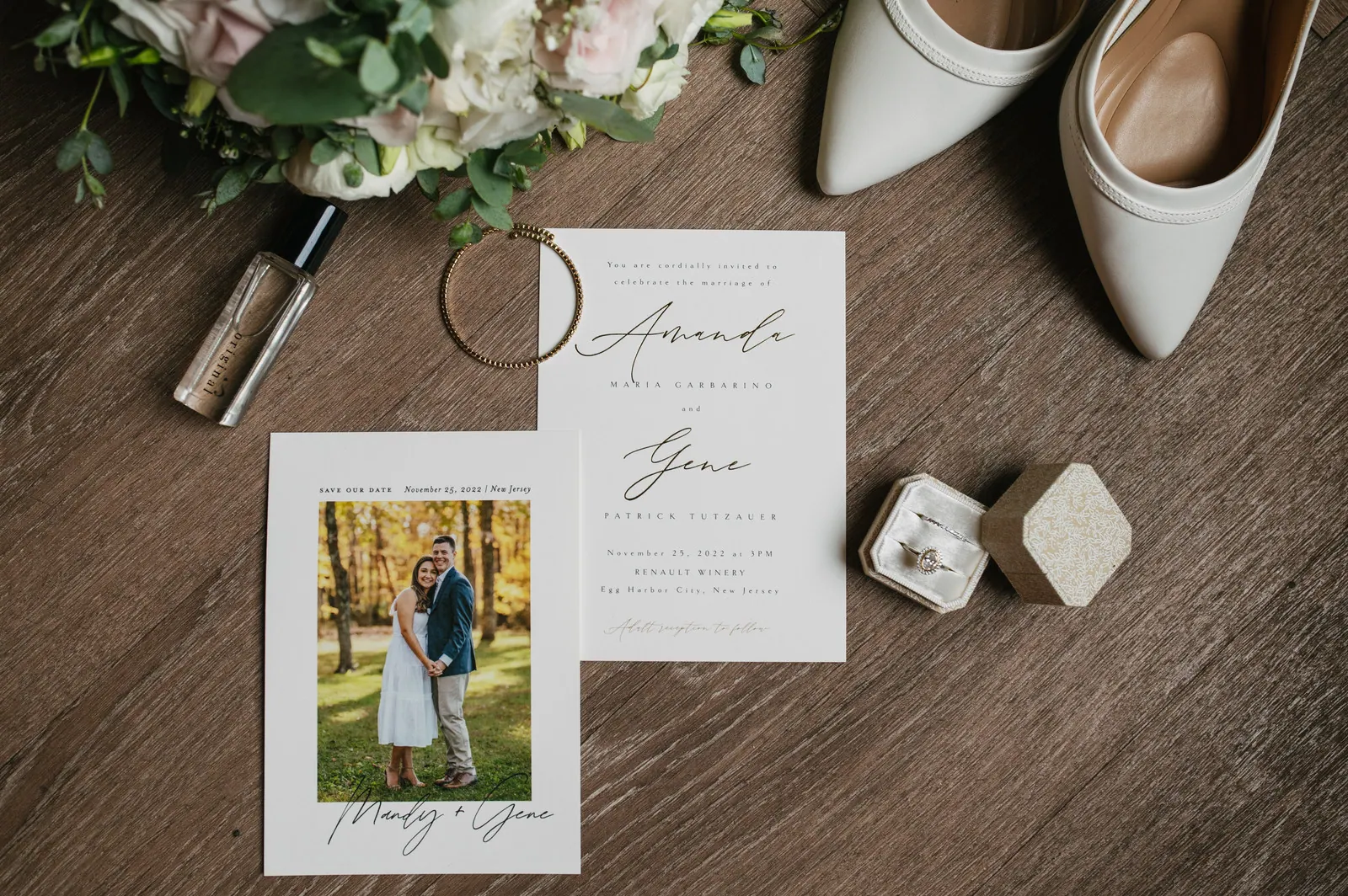
- A detail flat lay: rings, invitation, and shoes shot from directly above.
- Close-ups on hands fastening buttons, laces, or a zipper.
First Look and Ceremony
- The first-look reaction, focused on the receiving partner’s face rather than the one approaching.
- A wide aisle-walk shot from behind the guests for scale and atmosphere.
- A close-up of the ring exchange with a shallow depth of field.
Reception
- Speech reactions, cut to the listening couple rather than only the speaker.
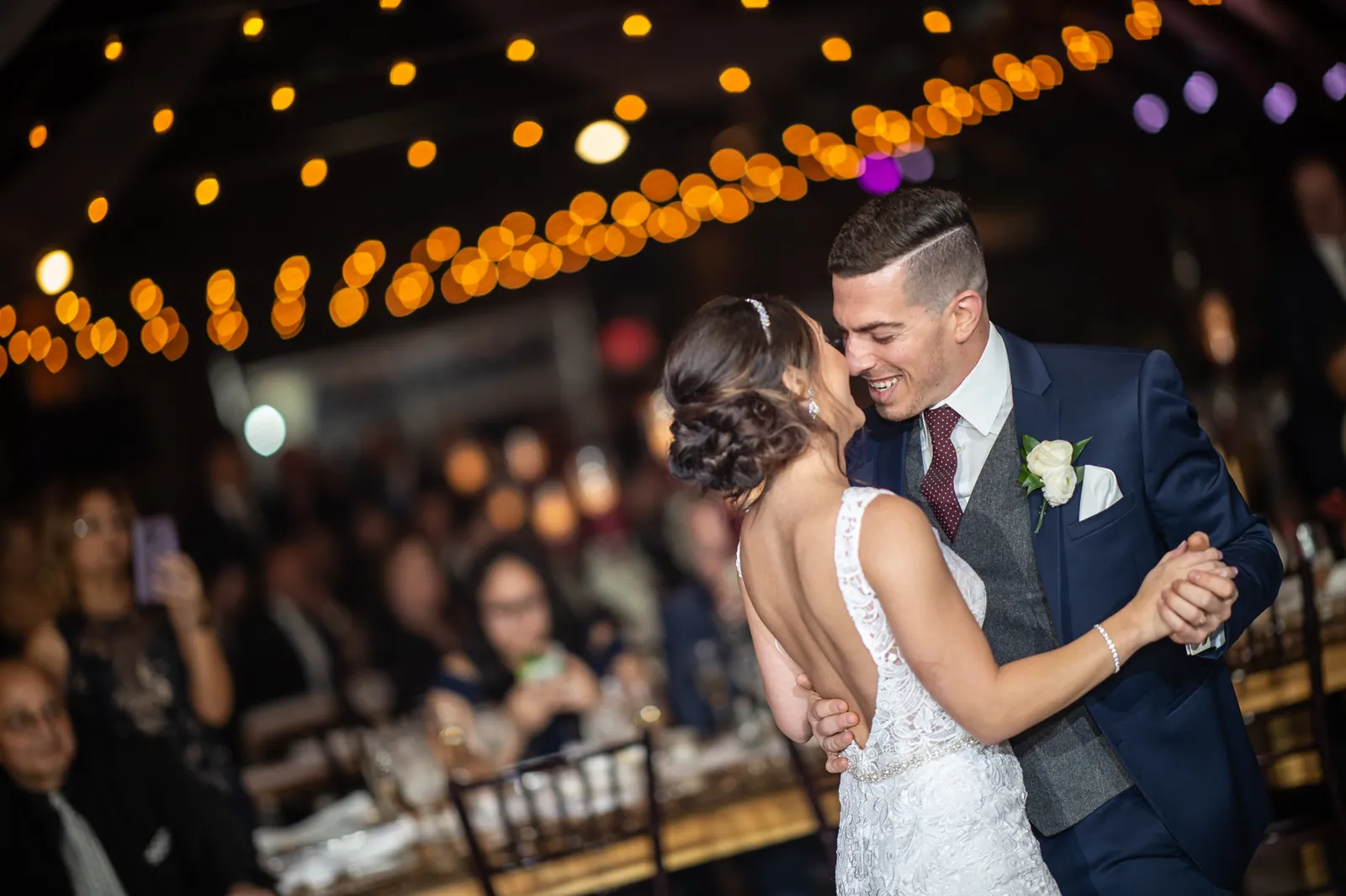
- A wide shot of the first dance that lets the room and lighting breathe.
- Candid dance floor energy, captured without direction, for the moments that feel most like your actual friends and family.
To learn more about FNA Events’ approach, visit our cinematic wedding videography page.
How Can You Add Personal Storytelling Beyond the Wedding Day?
Some of the most memorable wedding films reach beyond the ceremony and reception entirely. Starting the film with an early photo of the couple, clips from the proposal, or ordinary phone footage from earlier in the relationship can give the story a beginning that the wedding day alone cannot provide.
A shaky, unpolished clip from an early date can carry more emotional weight in context than a perfectly lit venue shot, precisely because it is real rather than staged. If you want this kind of material, start gathering old photos and video clips months in advance so your editor has something to work with.
An engagement session is another natural way to build this kind of footage bank before the wedding. For ideas on creating still images before the wedding, see our engagement photo session ideas and packages. Ask your videographer separately about capturing motion footage for the film.
Do You Need a Permit to Film at Your Venue?
At a private indoor venue, approval often begins with the venue or property owner, but couples should also check the contract and local rules because additional permission may be required. Permits generally only come into play when a couple wants to film on public property, such as a boardwalk, public park, beach, or municipal street, especially if equipment, lighting rigs, or drones will be set up in a way that could affect pedestrian or vehicle traffic.
New Jersey’s Film Ready program, coordinated through the New Jersey Economic Development Authority, notes that a film permit is an official authorization from a town, borough, or county that grants legal permission to film on public property while addressing noise, traffic, and liability. Requirements vary by municipality; Ocean Township, for example, publishes a filming and photography application and advises applicants to coordinate with municipal departments.
In practice, this mostly affects couples planning portrait sessions or drone shots at public beaches, boardwalks, or parks rather than ceremony and reception footage shot entirely on private venue grounds. If your portrait location is a public space, it is worth checking with the municipal clerk’s office well ahead of the date rather than assuming no permission is needed.
What Are the Most Common Mistakes Couples Make With Wedding Film Ideas?
The biggest mistake is treating the shot list and the song or dialogue choice as separate decisions made at the last minute. A strong film needs both planned together, because the structure you choose determines which moments are worth capturing carefully and which ones can be left to chance.
- Too many songs: every change resets the rhythm, and a short highlight rarely needs more than one or two tracks.
- Dialogue without setup: a line from a toast or vow that needs context to land will not work pulled out on its own.
- No release after the peak: ending right on the biggest moment can feel abrupt rather than satisfying.
- Ignoring copyrighted music rules: using a favorite song without checking licensing can create delivery and distribution problems later; our guide on whether wedding videos can use copyrighted music explains what is and is not allowed.
- Skipping the shot list conversation: leaving everything to the videographer’s instincts works for some couples, but most benefit from flagging the moments that matter most to them personally.
Planning your film alongside your overall day-of schedule also helps. Our NJ wedding reception timeline guide shows where key moments like the first dance and speeches typically fall, which makes it easier to tell your videographer when to be ready.
Frequently Asked Questions
How long should a wedding highlight film be?
Wedding highlight films are often only a few minutes long, although the right length depends on the edit’s purpose, music, dialogue, and available footage. Dialogue-driven films may run longer because spoken lines need room to land. FNA Events delivers a teaser film within 24-72 hours and a highlight film in up to two months.
Should we give our videographer a shot list?
Yes. A short, one-page list grouped by moment, getting ready, ceremony, reception, helps your videographer prioritize what matters most to you without slowing down the day. It works best as a conversation during planning rather than a surprise handed over the morning of the wedding.
Can our wedding film include footage from before the wedding day?
Yes, and many couples find this adds real emotional depth. Early photos, proposal clips, or casual phone videos from the relationship can be woven into the opening of the film to give it a beginning the wedding day alone cannot provide.
Do we need a drone shot in our wedding film?
A drone shot can add scale and a cinematic establishing moment, especially at outdoor or waterfront venues, but it is not essential to a strong story. Weather, venue restrictions, and local flight rules all affect whether aerial footage is possible on a given day.
What’s the difference between a highlight reel and a full wedding film?
A highlight reel is a short edit of selected moments, often combining music with natural audio or dialogue. A full-length film generally includes more complete ceremony, speech, and reception coverage, creating a more detailed record of the day’s major events.
Sources
- FILM READY Program FAQs for Localities (NJ Economic Development Authority)
- Township of Ocean Filming and Photography Application
Ready to Check Your Date
If you are planning a wedding or celebration in New Jersey, New York, or the Philadelphia area, the FNA Events team can walk you through DJ and MC entertainment, photography, videography, live music, enhancements, and photo booths, all run by one coordinated crew. Call (844) 373-7411 or visit our contact page to share your date and venue and get pricing for your celebration.
Written by the team at Fresh New Angle Events, Toms River, New Jersey wedding DJs, photographers, videographers, and event professionals serving couples across New Jersey, New York, and the Philadelphia area.