Custom Wedding Albums, Prints & Heirlooms: A Couple’s Guide
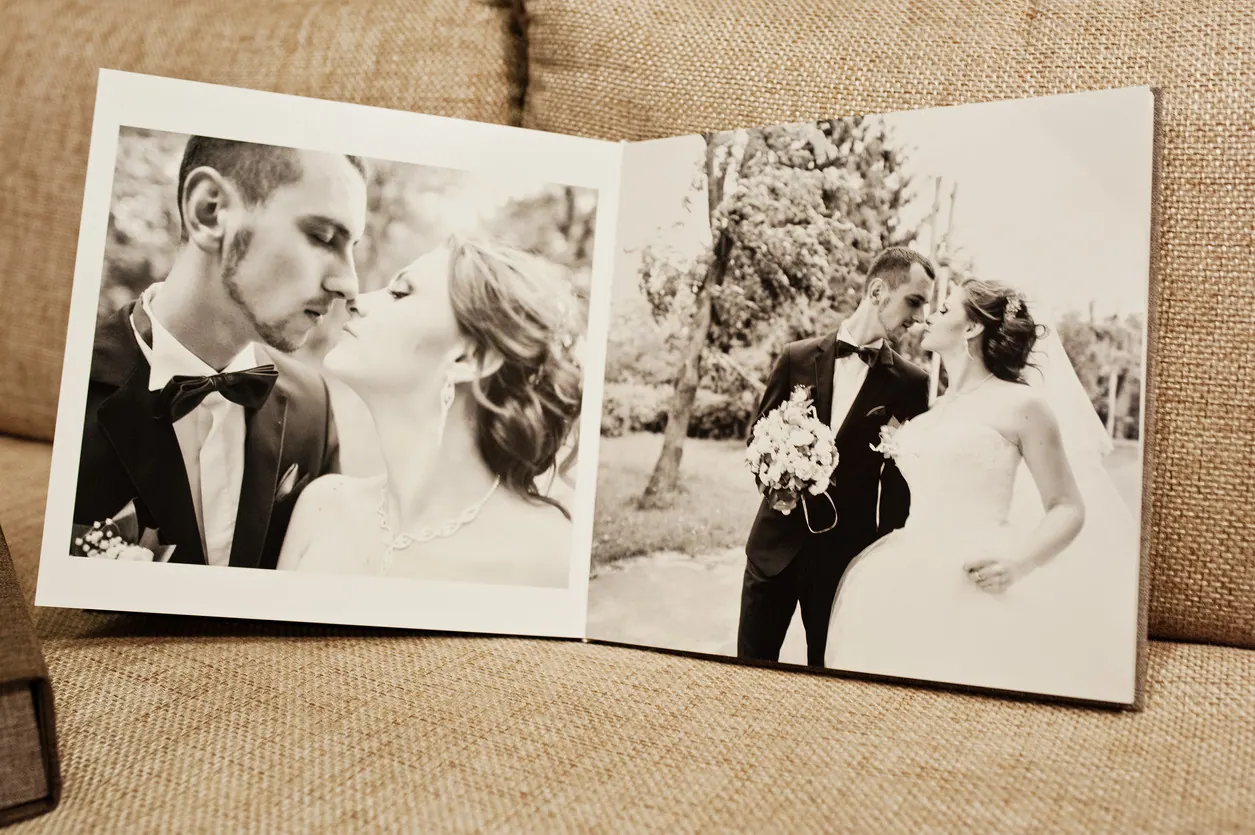
Quick answer: A custom wedding album is a professionally designed, printed keepsake, often with layflat pages and a page count tailored to the selected images; couples typically order one through their photographer within weeks after the wedding, choosing size, cover material, and page count to fit their story and budget.
Key takeaways
- A wedding album is a physical keepsake that remains accessible even if a phone breaks or a cloud account lapses.
- Layflat albums are a popular option, and the page count should match how many must-have photos you want displayed.
- Album design and printing timelines vary by provider, so ask for a production estimate and order early if you want the album for a holiday or anniversary.
- Store printed albums below 75 degrees Fahrenheit and below 65% relative humidity, per National Archives guidance, to slow deterioration and reduce mold risk.
- FNA Events offers printed albums alongside its photography coverage and full digital galleries.
What Is a Custom Wedding Album, and Do You Really Need One?
A custom wedding album is a professionally designed, printed book of your wedding photos, usually laid out in spreads that tell the story of your day from getting ready through the last dance. Unlike a photo book you assemble yourself from a template, a custom album is designed by a photographer or album studio who selects images, balances white space, and sequences the story so it reads well page after page.
Couples sometimes ask whether an album is worth it when a digital gallery already exists. The honest answer is that a digital gallery can disappear if a hard drive fails, a cloud subscription lapses, or a phone gets lost, while a well-made printed album sits on a shelf and gets pulled down on anniversaries for decades. Albums are not required, but couples who value an accessible physical keepsake may prefer one to relying only on a digital folder.
If you are still deciding on photography coverage overall, it helps to review wedding photography coverage details before you commit to add-ons like albums and prints.
What Sizes and Formats Are Available?
Most wedding albums today use a layflat binding, meaning the pages open completely flat so a photo can stretch across two facing pages without disappearing into the spine. Available options often include square and panoramic formats, with size and page-count choices varying by album provider.
Choosing a size is mostly a question of how many images you want displayed and how the album will be used. A smaller 20-page album works well as a concise highlight reel for a coffee table, while a larger 60 to 90 page album suits couples who want nearly every key moment included, from ceremony to send-off.
| Album Size | Format | Best For |
|---|---|---|
| 8.5×8.5 or 8×8 inches | Square | Compact keepsake, gifts for parents or grandparents |
| 10×10 inches | Square | Versatile main wedding album size |
| 12×12 inches | Square | Couples who want larger photo detail and fewer images per spread |
| Panoramic (11×14 or 14×11) | Landscape or portrait rectangle | Full-story albums with wide ceremony and reception shots |
Cover materials also vary, from linen and leatherette to genuine leather or photo-wrapped covers, and each option changes both the look and the price of the finished album. These are estimated ranges you will see across the album industry rather than fixed figures, since exact costs depend heavily on the printer, page count, and cover choice.
How Much Do Wedding Albums and Prints Typically Cost?
Album pricing varies widely because it depends on page count, trim size, cover material, and whether a designer builds the layout for you. As a general reference point, Zola lists wedding album styles starting around $149 for a basic layflat linen album, while boutique album design services like Artifact Uprising charge a separate design fee (around $99) on top of printing costs that scale with page count and size.
Premium heirloom albums can cost substantially more than entry-level options, depending on size, page count, materials, and design service. These are useful benchmarks for understanding the range, not a quote from any single studio, and they are not FNA Events prices.
Because FNA Events keeps exact photography and album pricing behind a personalized quote, the best way to get real numbers for your date and venue is to check FNA entertainment and photo/video packages or reach out directly through the contact page to check your date and ask about album add-ons.
How Does Custom Album Design Actually Work?
Album design generally follows a predictable sequence once your wedding photos are edited and delivered. Understanding the steps helps you plan around a target date, whether that is a first anniversary or a holiday gift for parents.
- Your photographer delivers the full edited gallery, which for FNA Events clients typically arrives as a complete digital album within about 30 to 60 days of the wedding.
- You select your favorite images, narrowing the full gallery to the moments that best tell the story of the day.
- A designer builds spreads, balancing full-bleed images, grids, and white space so the story flows in order.
- You review a proof and request any revisions allowed under the studio’s process.
- Once approved, the album goes to print and binding; ask the provider for its current production and shipping estimate.
Because this process depends on having a finished, edited gallery first, it connects directly to your photographer’s delivery timeline. If turnaround time matters to your planning, ask your photographer directly how their highlight and full-gallery delivery windows line up with when you want your album finished.
Sample Layout Ideas for a Wedding Album
A good album layout does more than place photos in chronological order. Strong albums build rhythm, mixing full-page images for emotional moments with smaller grids for candid details, and this structure is worth discussing with your designer before layout begins.
- Opening spread: A single striking image, often the ceremony kiss or a sweeping venue shot, sets the tone for the whole book.
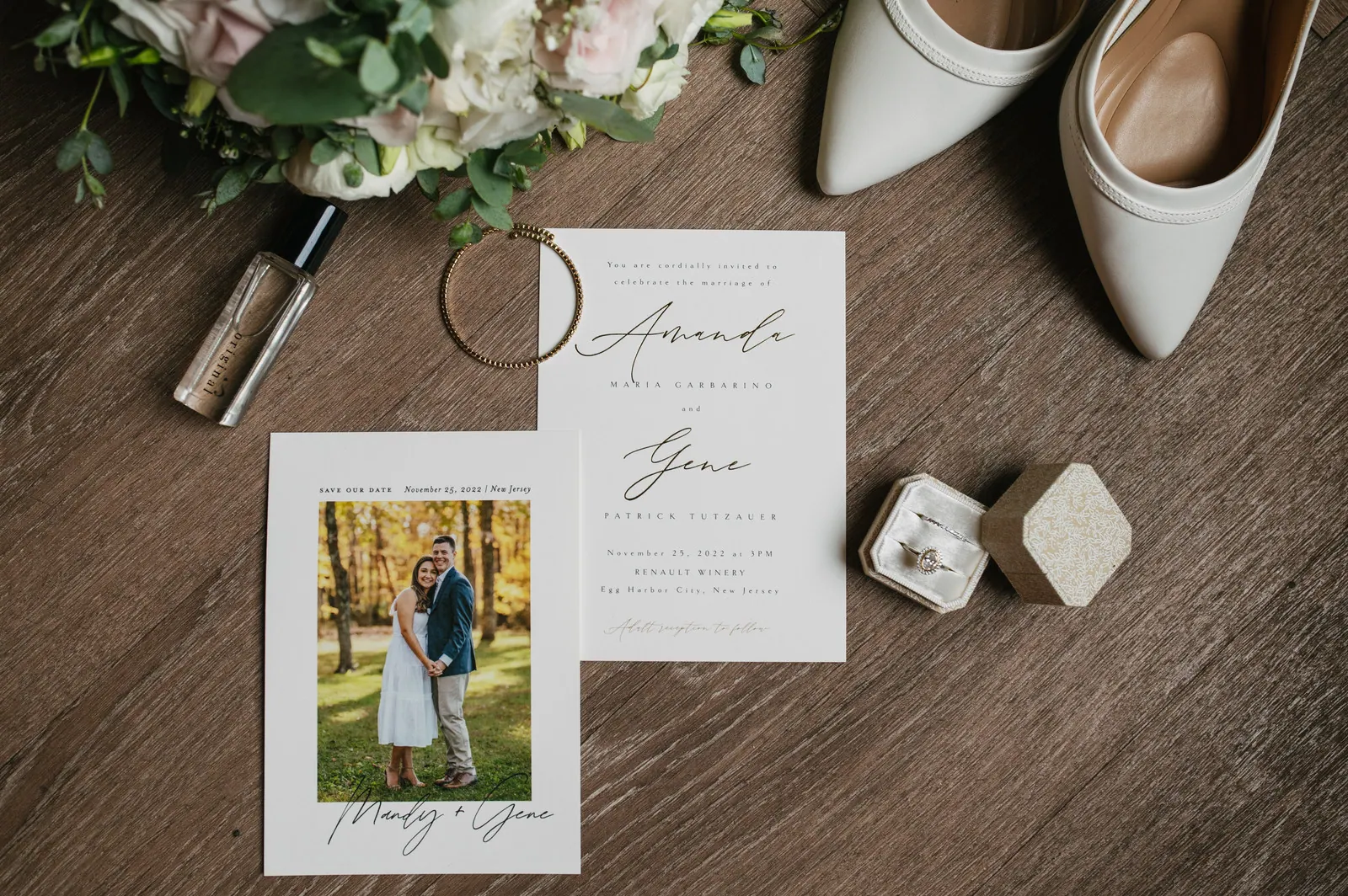
- Getting-ready pages: Grids of 3-4 smaller photos work well here since these moments are detail-heavy (rings, shoes, dress, toasts) rather than single hero shots.
- Ceremony spread: A full two-page spread for the processional or first kiss gives the moment room to breathe.
- Portraits and family formals: Clean, evenly spaced grids keep formal photos organized without feeling cluttered.
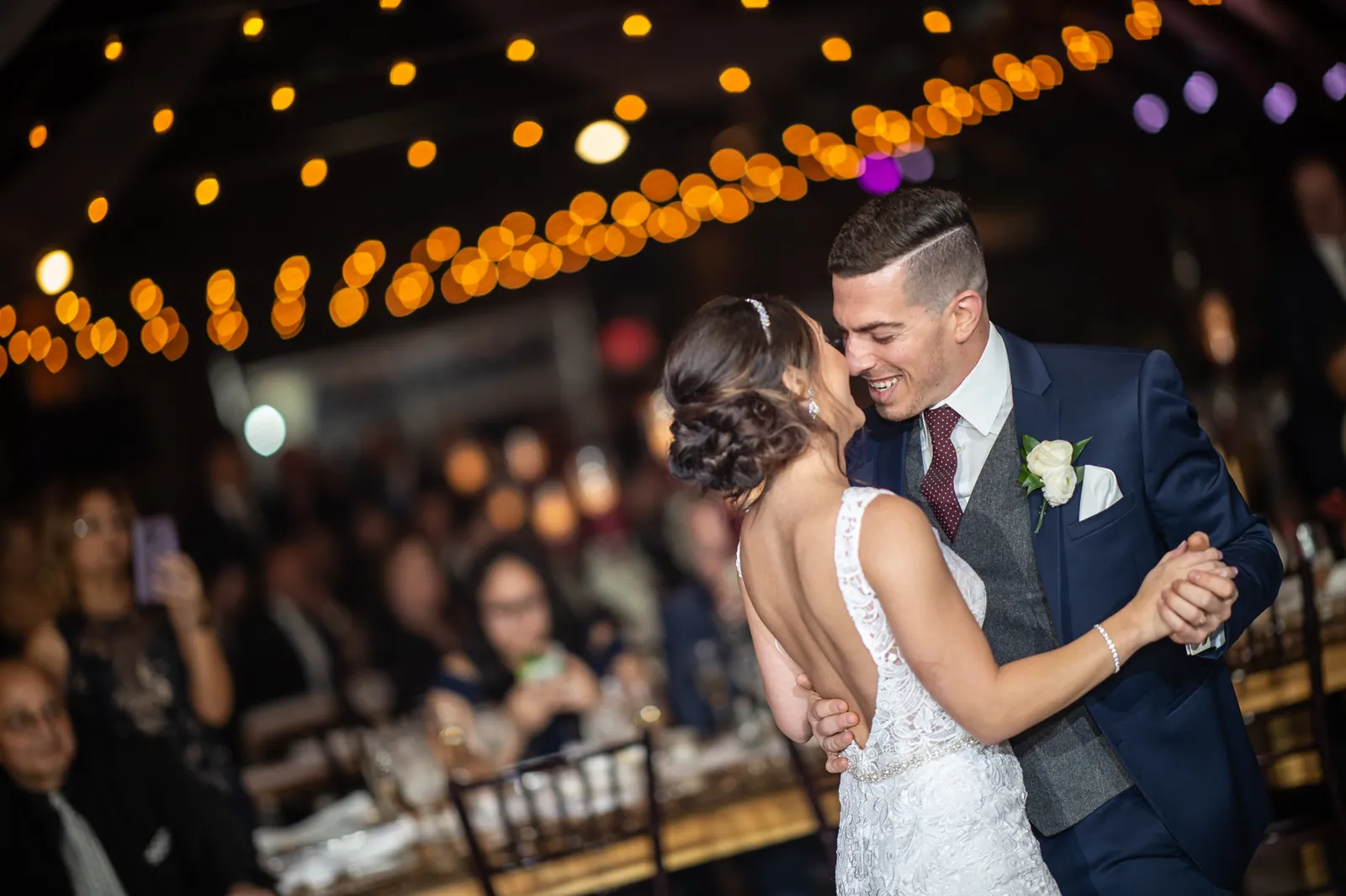
- Reception and dancing: Candid, high-energy images work best in overlapping or diagonal layouts that mirror the motion of the dance floor.
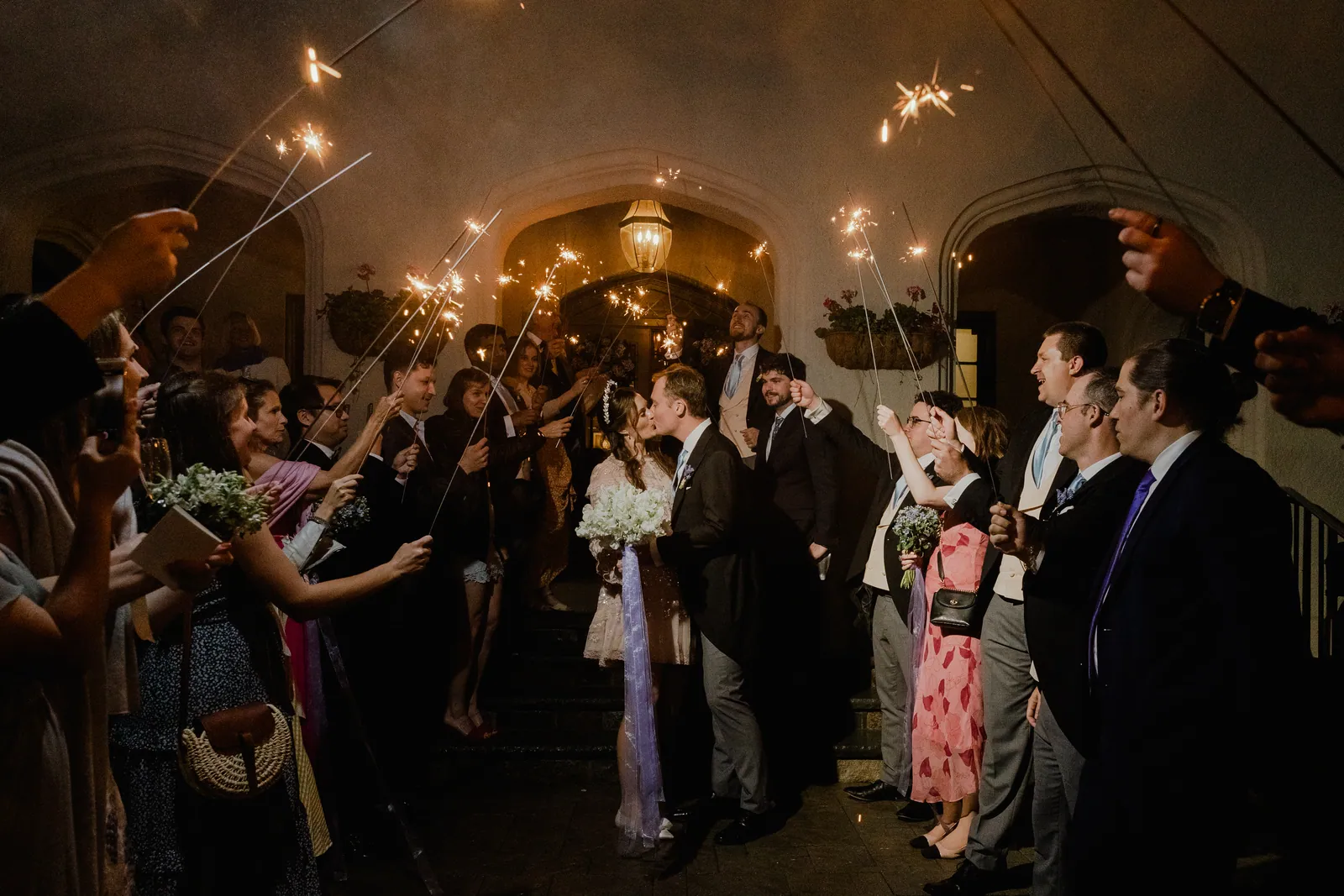
- Closing spread: A quiet final image, such as a sparkler exit or a last look at the venue, gives the album a natural ending.
If your wedding includes special effects like dancing on the clouds or cold spark send-offs, these photo-friendly moments make excellent closing spreads because they are visually distinct from the rest of the reception.
Albums vs. Loose Prints vs. Digital Galleries: Which Should You Order?
Not every couple needs a full album, and some are better served by a mix of formats. Each option serves a different purpose, and many couples end up ordering more than one.
| Format | Best Use | Trade-Off |
|---|---|---|
| Custom album | The complete story, displayed as a coffee-table keepsake | Highest cost and longest design/print timeline |
| Loose fine-art prints | Framing a handful of favorite shots for the home | No narrative sequence, easy to lose track of which prints you ordered |
| Parent albums or mini books | Gifts for parents and grandparents | Usually a smaller, simplified version of the main album |
| Digital gallery only | Sharing with guests and social media | No physical backup if files are lost or a service shuts down |
Many couples order a full album for themselves, loose prints for framing, and a smaller parent album as a gift. When comparing coverage options, focus on whether the schedule includes the moments you want represented in the finished album.
How Do You Store and Protect a Printed Album Long-Term?
A printed album is only as durable as the conditions it is stored in. According to the National Archives, photographs and paper items last longest when kept at a temperature below 75 degrees Fahrenheit and a relative humidity below 65 percent, since cooler and drier conditions slow chemical decay, fading, and mold growth.
Practical storage tips that follow this guidance include keeping albums out of attics and basements where temperature and humidity swing the most, avoiding direct sunlight on open pages, and storing the album flat or upright on a shelf rather than stacked under heavy items. A simple acid-free sleeve or slipcover also helps protect the cover from dust and handling wear over the years.
These are the same preservation principles archivists use for family photo collections generally, not wedding-specific rules, but they apply directly to any heirloom album you plan to keep for decades.
How Do Albums Fit Into Your Photography Plan?
Albums are easiest to plan when you discuss them with your photographer before or soon after the wedding. Before finalizing an album order, it helps to confirm your photographer’s delivery timeline, coverage hours, and whether a second photographer is needed for separate getting-ready locations, since all of these affect how many strong images you will have to choose from.
FNA Events offers printed albums alongside its photography packages, with full digital galleries typically delivered within about 30 to 60 days and highlight images within about 7 days.
If you are comparing photography options for your day, review the FNA entertainment and photo/video packages page and ask which album and print choices are currently available.
Frequently Asked Questions
How many photos should go in a wedding album?
The right number of images depends on the album’s page count and layout style. Photographers typically ask you to narrow your full gallery down to favorites first, then build the layout around your most important moments rather than trying to include every photo taken.
Can I order a wedding album if my photos were taken years ago?
Yes, most photographers and album design services allow you to order an album anytime after your wedding, as long as you still have access to your full edited gallery.
What is the difference between a layflat album and a traditional album?
A layflat album is bound so facing pages open relatively flat, allowing an image to extend across the spread with minimal loss at the center. Traditional book bindings usually have a more pronounced gutter, so images placed across two pages may lose some detail near the spine.
Do I need to hire a separate album designer, or does my photographer handle it?
Many wedding photographers include album design as part of their packages or as a paid add-on, since they already know the story and sequence of your day. Standalone album design services exist too, but working with your own photographer often produces a more cohesive layout.
How long does it take to receive a finished wedding album?
Printing and binding times vary after final design approval, so confirm the current production estimate with your provider. Add time for selecting photos and completing revision rounds before production even begins, so order several months ahead of any target date.
Sources
- How to Preserve Family Archives (National Archives)
- Album Design Service: Quotes & Estimates – Artifact Uprising
- Custom Wedding Photo Albums & Books | Zola
Ready to Check Your Date
If you are planning a wedding or celebration in New Jersey, New York, or the Philadelphia area, the FNA Events team can walk you through DJ and MC entertainment, photography, videography, live music, enhancements, and photo booths, all run by one coordinated crew. Call (844) 373-7411 or visit our contact page to share your date and venue and get pricing for your celebration.
Written by the team at Fresh New Angle Events, Toms River, New Jersey wedding DJs, photographers, videographers, and event professionals serving couples across New Jersey, New York, and the Philadelphia area.