Getting-Ready Photos: How to Plan Your Wedding Morning
Quick answer: Plan getting-ready photos by working backward from your ceremony time: use about 90 minutes of photography coverage as a starting point, gather every detail item the night before, choose a room with good natural light, and build in a 30-minute buffer in case hair and makeup run late.
Key takeaways
- Getting-ready photography coverage usually runs about 90 minutes total: 30 minutes for details, 60 for final hair, makeup, and dressing.
- Build a 30-minute buffer between “hair and makeup done” and “leave for ceremony,” since this is the most common place the morning runs late.
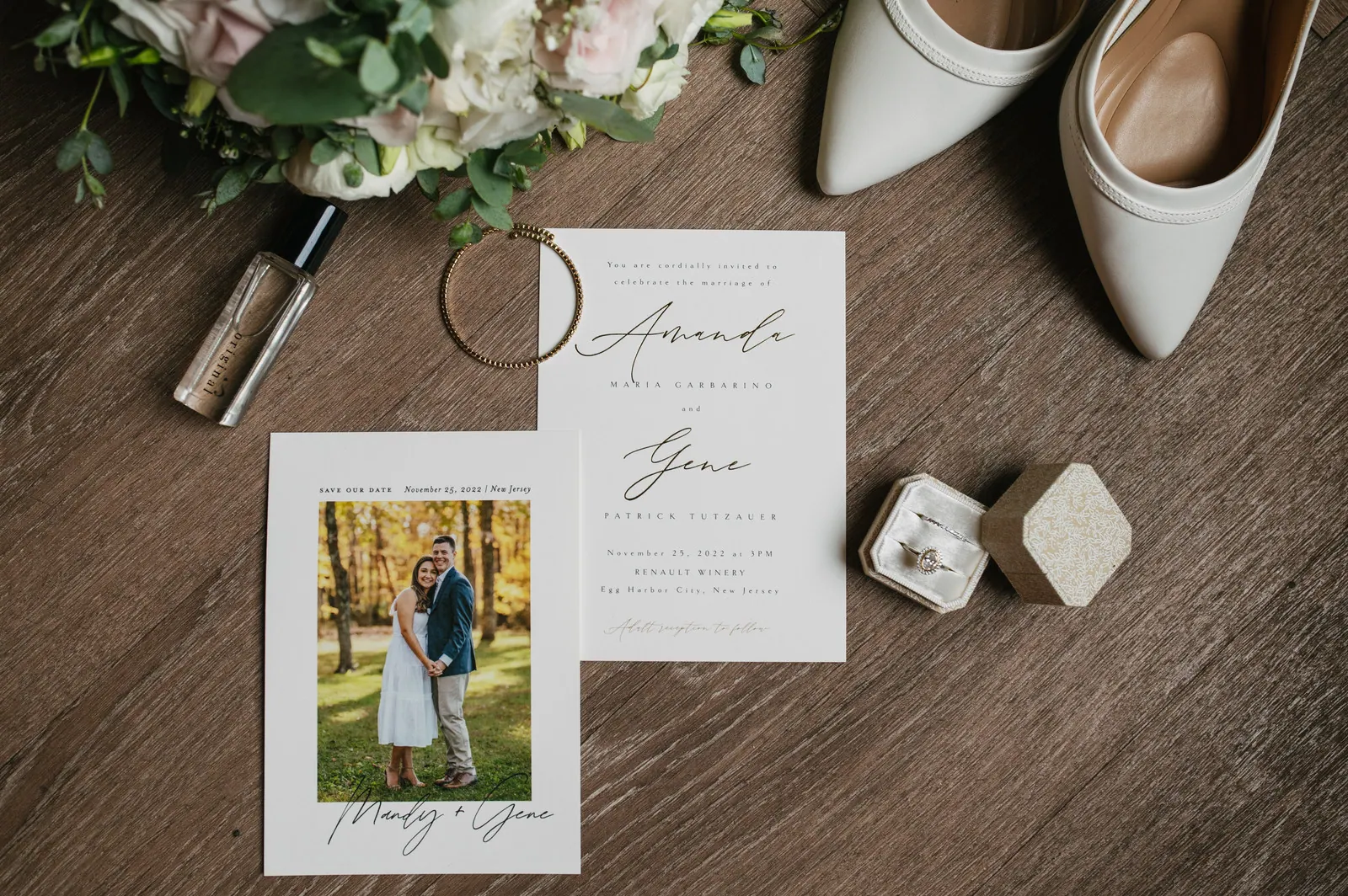
- Put rings, invitations, shoes, jewelry, and heirlooms in one box the night before so detail photos take minutes instead of a search.
- A bright room with a large window and a plain wall is often more useful for photos than a decorated suite with poor light.
- If your partner is getting ready somewhere else, a second shooter covers both locations at once instead of splitting one photographer’s time.
How Long Do Getting-Ready Photos Actually Take?
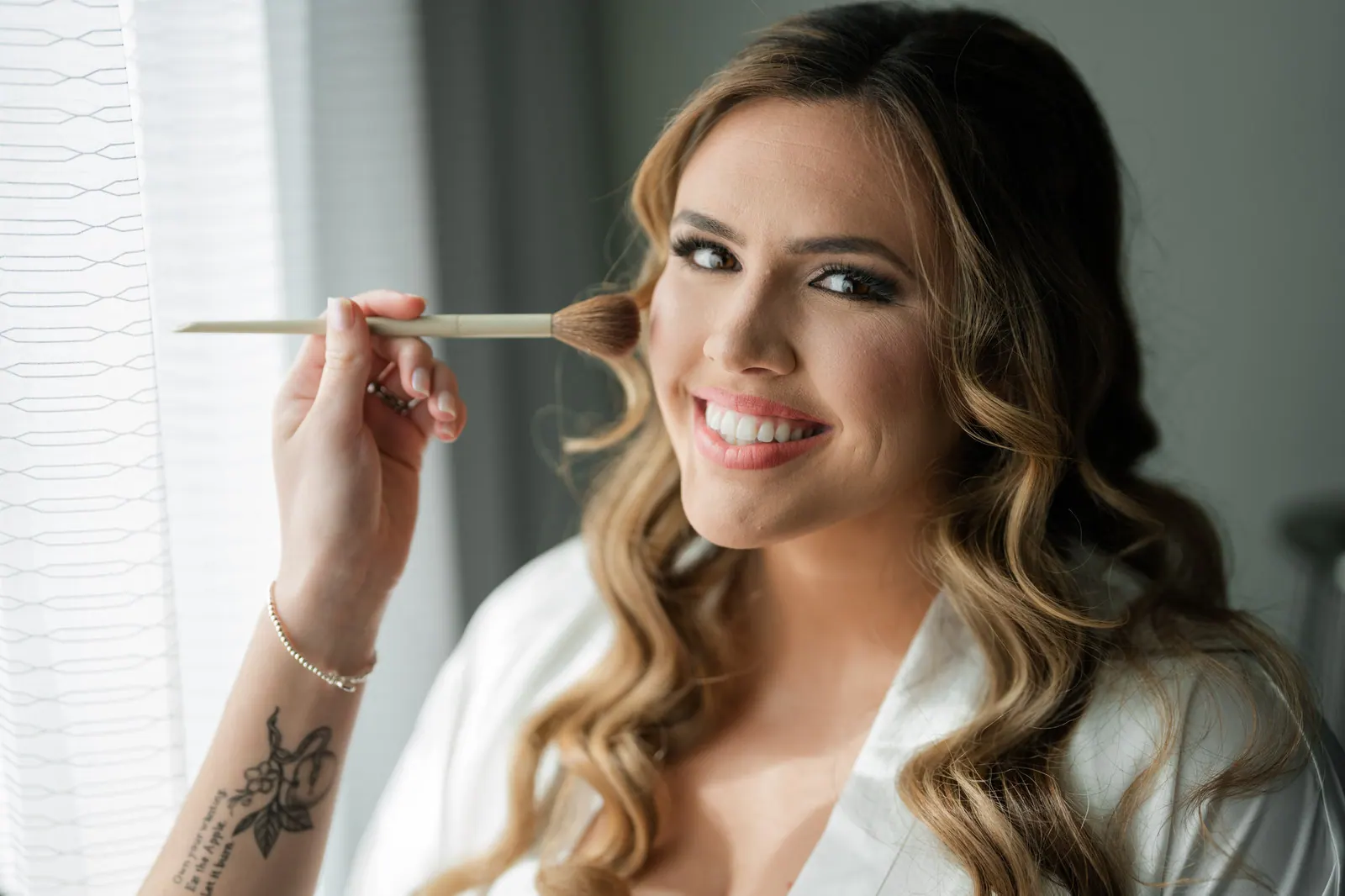
Most getting-ready photography coverage runs about 90 minutes, broken into two parts. The first 30 minutes is for detail shots, taken before anyone is dressed while the room is still calm. The remaining 60 minutes covers the last stretch of hair and makeup, getting into the dress or suit, and any planned reveals, This 90-minute framework is a useful starting point, but the exact schedule should reflect your planned moments, locations, and travel time.
On a day without a first look, photography may begin about 90 minutes before you need to leave the getting-ready location, with additional time allowed for travel and venue access. If you are planning a first look with your partner or wedding party, coverage starts earlier to leave room for those portraits before the ceremony begins. We cover first-look timing separately in our guide to planning a first look, and if you want the bigger picture of how this morning fits into the rest of the day, our complete wedding planning timeline and checklist walks through every block of time from breakfast to last dance.
What Time Should Hair and Makeup Start?
Work backward from your ceremony time, not forward from a wake-up time you picked at random. Starting from an arbitrary time can create an unrealistic morning schedule. Starting forward from “we’ll begin at 9 AM” tends to produce an optimistic schedule that falls apart by noon.
As a general guide, bridal hair takes roughly 45 to 90 minutes and bridal makeup takes roughly 45 to 75 minutes, according to WeddingWire. For a wedding party of four, hair and makeup may need to begin four to five hours before the ceremony, but the timing depends on the number of services and stylists. Ask the beauty team to provide a person-by-person schedule and add a buffer before dressing and departure.
A Sample Backward-Planned Morning
- Ceremony at 2:00 PM, with a 20-minute drive to the venue.
- Leave the suite by 1:30 PM, with 10 minutes of buffer built in.
- Final detail photos and last touch-ups: 1:15 to 1:30 PM.
- Dress-in, with mother or wedding party assistance: 12:15 to 1:15 PM.
- Hair and makeup for a party of four to six: roughly 9:00 AM to 12:15 PM.
- Breakfast and room setup before the stylists arrive: 8:00 to 9:00 AM.
Shift every block earlier or later based on your actual ceremony time, but keep the order and the gaps between steps.
Why You Need a 30-Minute Buffer
Hair and makeup can run late, especially when the schedule does not account for the number of people, services, and stylists. The most common morning-of delay is the beauty schedule slipping, usually because there are more bridesmaids booked than there are stylists to handle them, according to Brides.com. A 30-minute buffer between “hair and makeup finished” and “leave for the ceremony” absorbs that slippage without pushing back your ceremony start or cutting into planned portrait time.
This buffer matters even more at shore venues in the summer, where traffic on county roads to Belmar, Manasquan, or Brielle can add unpredictable minutes to a transit that looked fine on a map. If your venue is a short walk from the getting-ready suite, you have a little more room to absorb a late finish. If it is a 30-minute drive, treat that buffer as non-negotiable.
Choosing the Right Room for Getting-Ready Photos
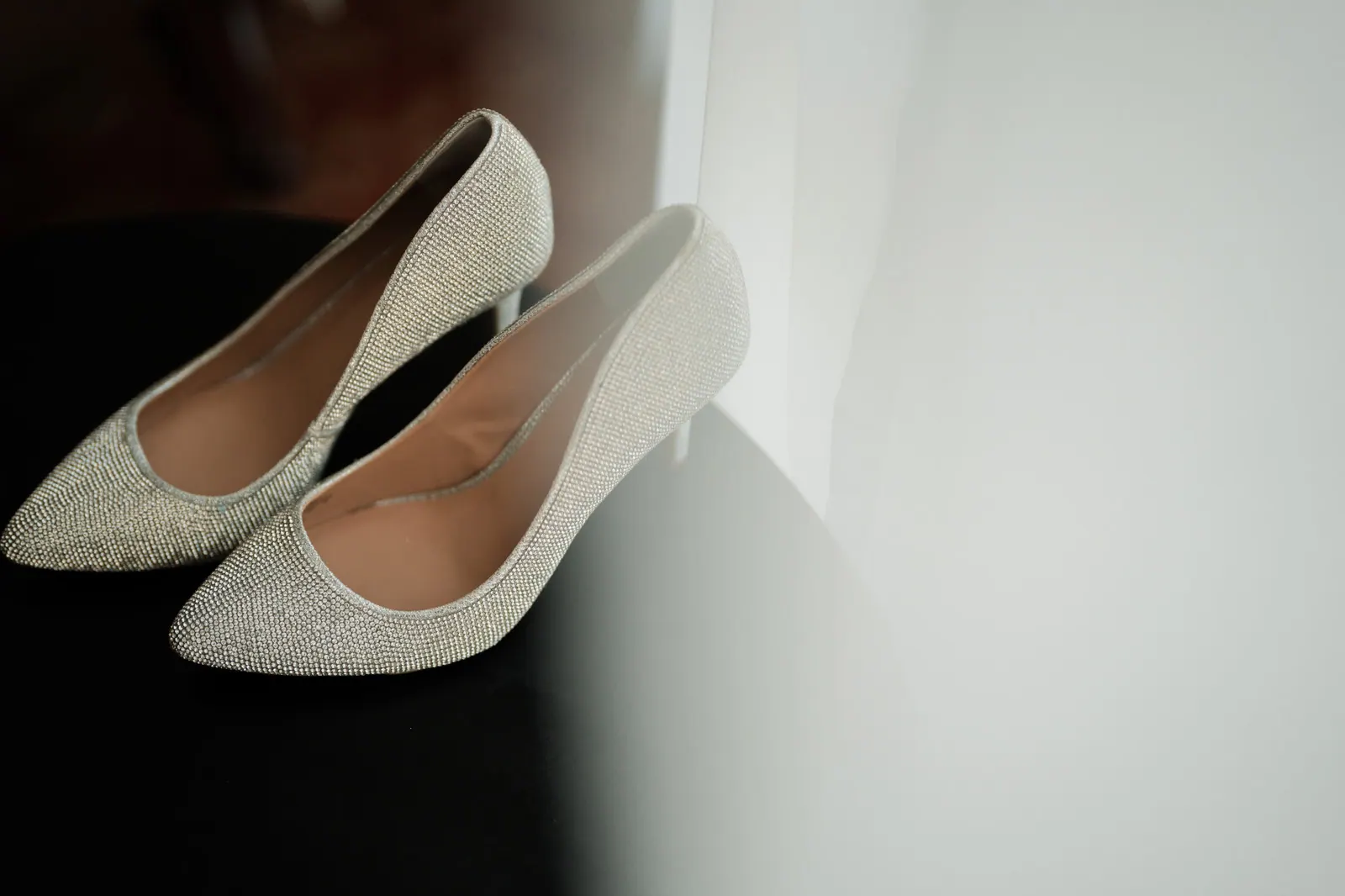
A room with one large window and a plain wall will often photograph better than a decorated suite with small windows or mixed overhead lighting. Soft, directional window light is what gives getting-ready photos that clean, flattering look, and it costs nothing to find in advance. When you tour your venue or hotel, ask to see the bridal suite or groom’s room in daylight hours and check where the windows face.
A few practical pointers that save a photographer real time on the morning:
- Clear clutter such as room service trays, garment bags, and phone chargers from the area near the window before the photographer arrives.
- Hang the dress on a wooden hanger, not the plastic one from the shop, near the window with a clear wall or curtain behind it.
- Keep the suit or tuxedo pressed and hung the same way in its own space.
- If the only available room has poor light, ask your photographer about a nearby spot in the venue, such as a staircase or lobby, that might work better.
If you and your partner are getting ready in different rooms or different buildings entirely, a single photographer cannot be in two places. FNA Events recommends a second photographer in that situation so both sides of the morning are documented without choosing one over the other. You can see how coverage hours and second-shooter options work on our wedding photography coverage page.
Wedding Detail Photos Checklist
Detail photos are the quiet, 30-minute window before anyone is dressed, and they go fastest when every item is already in one box instead of scattered across the room. Gather these the night before so nothing is left in a car, a different hotel room, or a bridesmaid’s bag the next morning.
| Category | Items to Gather |
|---|---|
| Rings and jewelry | Both wedding bands, engagement ring, earrings, necklace, cufflinks, tie bar or bow tie, watch |
| Paper | Invitation suite plus one spare, vow books, any handwritten notes or cards |
| Footwear | Both pairs of wedding shoes, cleaned and ready to photograph |
| Garments | Dress on a wooden hanger, suit or tuxedo pressed and hung, veil if applicable |
| Sentimental items | Heirlooms, anything borrowed, a grandparent’s handkerchief, military medals |
| Finishing touches | Perfume or cologne bottle, loose florals if they arrive early, garter |
If someone in the wedding party is holding the rings for the ceremony itself, keep them in the detail box for that first 30 minutes and hand them off only after photos are done. This one habit prevents the most common scramble of the whole morning.
When Should Your Photographer and Other Vendors Arrive?
Your photographer should arrive roughly two to two and a half hours before you leave for the ceremony, which usually lines up with the final stage of hair and makeup. This gives enough time to shoot details first, then transition into candid shots of the last touch-ups before the dress goes on.
Coordinate arrival times with every vendor involved in the morning, not just photography. If a videographer, hairstylist, and makeup artist are all converging on one suite, a tight schedule avoids a hallway full of people waiting on each other. Our guide on coordinating your DJ, photographer, and videographer covers how to keep every vendor on the same page once the day moves past the getting-ready stage. If you are also booking live wedding musicians, confirm their arrival and setup window with the venue and include it in the master timeline.
Who Should Be in the Room?
Getting-ready photos work best with a small, intentional group rather than a packed room. Parents, the wedding party, and anyone who plays a role in a planned reveal belong there; everyone else is better welcomed once you are dressed and ready to greet guests.
- Bride or first getting-ready location: immediate wedding party, parents, and anyone included in a letter or gift exchange.
- Groom or second getting-ready location: immediate wedding party and parents, kept just as quiet and photo-friendly as the other room.
- Reveals to plan for: a parent seeing you for the first time, a sibling, or a grandparent. Each reveal typically needs about 15 minutes of dedicated time, so build that into your schedule rather than hoping it happens organically.
A crowded room slows everyone down, makes good light harder to find, and gives your photographer less to work with. If you are weighing how much photography coverage to book around the rest of the day, our guide to how many hours of coverage you need breaks down common package lengths.
Eat Breakfast and Build in Real Buffer Time
Eat a real breakfast with protein, carbohydrates, and water before hair and makeup begins. Wedding mornings can make it easy to miss a meal, so eating and hydrating before hair and makeup can help you stay comfortable through the ceremony and portraits. This is a small detail that has nothing to do with photography and everything to do with making it through the afternoon comfortably.
Beyond breakfast, the other non-negotiable is the buffer itself. Pre-steam the dress the night before, confirm the detail box is packed, and load anything going in the car ahead of time so the morning starts with fewer moving pieces. Couples planning a shore-area wedding in Belmar, Manasquan, or Brielle should also build extra transit buffer for summer weekend traffic between the getting-ready suite and the ceremony venue. FNA Events serves weddings across these shore towns as well as the rest of New Jersey, New York, and the Philadelphia area, and our full list of service areas covers where our team regularly works.
Frequently Asked Questions
Do I need a first look to get good getting-ready photos?
No. A first look mainly affects when portrait photography happens, not the quality of getting-ready coverage. Detail and preparation photos happen the same way with or without a first look; the difference is whether couple portraits happen before or after the ceremony.
Should the bride or groom get ready first for photos?
There is no required order. Ask the beauty team to schedule each person so the couple and anyone helping with dressing are finished before photography begins, with enough buffer for touch-ups and delays.
What if the getting-ready room has bad lighting?
Ask your photographer in advance; many venues have a better-lit spot nearby, such as a lobby, staircase, or outdoor patio, that works as a backup. It is worth checking the room in daylight hours during a venue tour so there are no surprises on the morning itself.
How many people should be in the room during getting-ready photos?
Keep it to the wedding party, parents, and anyone involved in a planned reveal. A smaller group photographs better, moves faster, and leaves more usable light and space for the photographer to work with.
Can one photographer cover both the bride and groom getting ready?
Only if both locations are close together and the timeline allows enough travel time between them. If the two locations are far apart or overlap in timing, a second photographer is the more reliable option so neither side of the morning is missed.
Ready to Check Your Date
If you are planning a wedding or celebration in New Jersey, New York, or the Philadelphia area, the FNA Events team can walk you through DJ and MC entertainment, photography, videography, live music, enhancements, and photo booths, all run by one coordinated crew. Call (844) 373-7411 or visit our contact page to share your date and venue and get pricing for your celebration.
Written by the team at Fresh New Angle Events, Toms River, New Jersey wedding DJs, photographers, videographers, and event professionals serving couples across New Jersey, New York, and the Philadelphia area.