Photo & Video Technology Advances Changing Wedding Media
Quick answer: Modern camera trends—including 4K multi-camera setups, subject-tracking gimbals, improved stabilization, and drone aerials—can give couples sharper footage, steadier moving shots, and more creative coverage options.
Key takeaways
- Higher frame rates let editors create smoother slow motion, while 4K resolution provides extra detail and reframing flexibility.
- Gimbal and in-body stabilization now let videographers walk alongside a couple and get smooth, cinematic footage without a dolly or track.
- Drone aerials require FAA-certified operators and venue or municipal permission, according to the New Jersey Motion Picture & Television Commission.
- Faster editing software has shortened typical delivery windows, with some teaser films now arriving within days instead of weeks.
- More cameras on site does not automatically mean better coverage; coordination and experienced operators matter more than gear count.
What’s Actually Changed in Wedding Camera Technology
Wedding photographers and videographers now have access to compact cameras, stabilized lenses, gimbals, drones, and sophisticated audio systems. That toolkit has expanded fast. Mirrorless cameras now shoot usable 4K and even higher resolution footage in bodies small enough to carry through a reception all night, and in-body stabilization has made handheld cinematic shots a normal part of coverage rather than a specialty add-on.
At CES 2026, DPReview highlighted compact cameras and gimbals featuring automated subject tracking and stabilization, showing how these capabilities are appearing in a wider range of production tools. For couples, the practical result is steadier footage, better low-light performance at receptions, and more creative angles without the footage looking shaky or amateur.
FNA Events uses 3-4 cameras during coverage, shooting in 4K and 1080p at multiple frame rates, which is part of how modern multi-camera setups translate into a more complete wedding film. You can see how that approach plays out on the cinematic wedding videography page.
Why 4K Video Matters for Your Wedding Film
4K resolution means roughly four times the pixel detail of standard 1080p high definition. For a wedding film, that translates into sharper close-ups of rings, flowers, and facial expressions, plus more flexibility in editing. When the final film is delivered at a lower resolution, an editor can crop a 4K frame to reframe a shot while retaining useful detail, although heavier cropping still reduces image quality.
Higher frame rates add another layer. Footage shot at 60 or 120 frames per second can be slowed down smoothly for moments like a first kiss or a bouquet toss, instead of looking choppy the way slowed-down standard footage often does. That is one reason couples should ask how a videographer uses multiple cameras and frame rates rather than assuming every part of the day is recorded the same way.
What to Ask a Videographer About Resolution
- Which parts of the day are shot in 4K versus 1080p, since some studios reserve higher resolution for key moments only.
- What frame rates are used for ceremony audio-heavy segments versus dancing and candid reception shots.
- How footage is backed up on the wedding day itself, since 4K files are large and redundancy matters.
If you are still deciding between coverage styles, our guide to documentary versus cinematic versus highlight reel styles breaks down how resolution and pacing choices affect the final film.
How Drone Video Is Changing Aerial Wedding Coverage
Drone shots used to be reserved for wedding films with big budgets and a dedicated aerial operator. As drones have become lighter, quieter, and better at avoiding obstacles, aerial footage of a venue, a ceremony site, or a shoreline has become a realistic add-on for many couples, not just a luxury extra.
That said, drones at weddings come with real rules. According to the New Jersey Motion Picture & Television Commission, commercial drone operators in New Jersey must hold the appropriate FAA certification, follow federal flight restrictions, and obtain any required permission from the municipality, park agency, property owner, or other entity responsible for the filming location. Shore towns, state parks, and some private venues have their own restrictions on top of that, so permission has to be confirmed well before the wedding day.
FNA Events includes drone aerials when a package calls for it and conditions and permissions allow. If you are weighing whether aerial footage is worth the planning and cost, our dedicated piece on whether drone wedding photography is worth adding covers that decision in more depth, and the cinematography page has more on how aerials fit into a full wedding film.
Stabilization Tech: Gimbals, Lenses, and Steadier Footage
Shaky handheld video is one of the fastest ways to make a wedding film look dated. Gimbal stabilizers, which use motors to counteract hand movement in real time, have become standard gear for walking shots, first-look reveals, and reception dance floor coverage.
Newer gimbals reviewed by DPReview at CES 2026 go a step further, with built-in cameras that track a subject automatically so the operator can focus on movement and composition instead of constantly reframing. In-body image stabilization can reduce blur caused by camera movement in low light, but it cannot prevent blur from a moving subject or replace appropriate shutter-speed choices.
Where Stabilization Makes the Biggest Difference
| Moment | Why stabilization matters |
|---|---|
| Walking down the aisle | Camera operator must move backward smoothly while keeping focus on the couple |
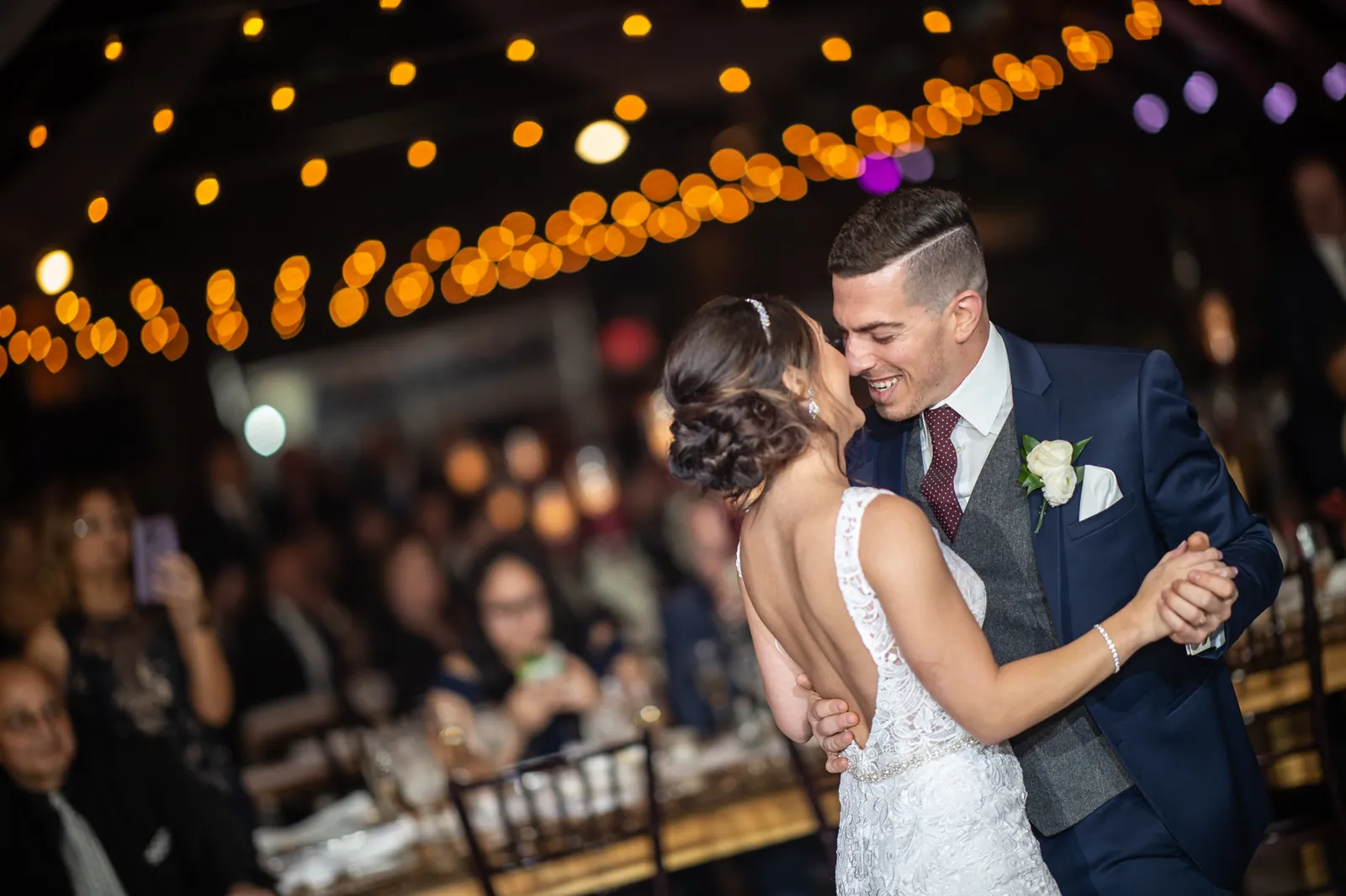
| First dance | Stabilization can reduce camera shake in dim reception lighting, while suitable shutter speed and focus settings help manage subject motion |
| Getting-ready footage | Tight indoor spaces require handheld movement without a tripod or slider |
| Reception dancing | Fast, unpredictable movement needs tracking stabilization to stay in frame |
Coordinating the photo and video team with enhancements like Dancing on the Clouds helps camera operators prepare their position, exposure, and timing before the effect begins.
Faster Editing and Delivery: What’s Realistic to Expect
Editing software has gotten faster at handling large 4K files, and some studios now use automated tools for rough cuts, color matching, and syncing multiple camera angles, which frees editors to spend more time on the creative decisions that actually affect the final story.
These tools can streamline parts of post-production, but delivery timelines still vary with the scope of the film, the studio’s workflow, and seasonal workload. Ask FNA Events which deliverables, turnaround windows, and private online delivery options apply to your selected package.
If you want video clips to share quickly after the wedding, our pages on same-day wedding edits and short highlight reel services go into more detail on how fast-turnaround options work and what they typically include.
Camera Trends to Watch for 2026 Weddings
A few trends from recent industry coverage are worth knowing as you compare photographers and videographers.
- Modular action cameras. Tiny magnetic cameras, like the models highlighted by DPReview at CES 2026, are starting to show up for creative angles such as a camera worn by the officiant or tucked into a bouquet.
- AI-assisted stabilization and tracking. Gimbals that automatically follow a subject reduce operator fatigue during long reception coverage and keep footage steady during fast-moving moments like exits.
- Higher dynamic range sensors. Newer sensors capture more detail in both bright highlights and dark shadows, which helps with tricky lighting like a sunset ceremony or a dim reception hall.
- Compact mirrorless bodies for second shooters. A second photographer can cover simultaneous getting-ready moments at separate locations, an option FNA Events recommends when the couple is preparing apart.
These advances matter most when paired with experienced operators who understand wedding timing, not just equipment specs. A photographer with the newest camera body but no feel for a reception’s rhythm will still miss key moments.
What to Ask Your Photo and Video Team About Their Gear
Specs alone do not guarantee a great wedding film or album. Use these questions to understand how a studio’s technology actually serves your coverage.
- How many cameras will be running during the ceremony, and who is operating each one?
- What is the plan if a camera or drive fails mid-event, and is there backup equipment on site?
- How soon will I see any footage or photos, and what is included in that first delivery?
- Does the team bring a second shooter for weddings with separate getting-ready locations?
- Will drone footage be included, and has the venue or municipality approved it?
For couples weighing whether they need a separate photographer and videographer at all, our guide on photographer versus videographer coverage walks through how the two roles work together, and the packages page outlines how photo and video services are bundled.
When Drone Certification and Location Permission Matter
Some photo and video choices go beyond picking the right camera. Commercial drone flights require an appropriately certified FAA remote pilot and compliance with federal airspace rules; permission may also be required from the venue, property owner, municipality, or park agency responsible for the takeoff, landing, or filming location. Flying without that clearance risks fines and can jeopardize the shoot entirely.
For coverage on public property, couples should ask the vendor and venue whether local filming permits, park approvals, insurance certificates, or access restrictions apply. Requirements vary by location and by the equipment being used.
FNA Events provides photography and cinematography services across New Jersey, New York, and the Philadelphia area; couples should confirm any location-specific permit and insurance responsibilities during planning. You can check availability or ask about drone and multi-camera options through the contact page.
Frequently Asked Questions
Do all wedding videographers include drone footage now?
No. Drone footage is usually an optional add-on that depends on the videographer owning the right equipment, holding FAA certification, and securing permission from the venue or local authority. Ask specifically whether drone coverage is included in your package or available as an upgrade before assuming it is standard.
Is 4K video worth paying extra for at a wedding?
4K can be worthwhile when it gives the editor more room to crop or reframe for a lower-resolution final film, while smooth slow motion depends primarily on recording at a higher frame rate. The tradeoff is larger file sizes, which can sometimes affect delivery timelines, so ask your videographer how they manage storage and backups.
How long does it typically take to get wedding photos and video back?
Delivery timelines vary by studio, season, coverage length, and deliverable type. Review the contract for separate deadlines covering previews, the full photo gallery, teaser videos, highlight films, and full-length films.
Can I request specific camera angles or shots for my wedding video?
Yes, most videographers welcome a shot list for key moments like the first look, vows, or a special dance. Share your priorities during your planning meeting so the team can plan camera placement and stabilization equipment around those moments in advance.
What is the difference between a gimbal and a drone for wedding video?
A gimbal is a handheld stabilizer that smooths out footage shot on the ground, while a drone captures aerial footage from above the venue. A gimbal mechanically stabilizes a ground-based camera, while a drone typically uses its own stabilized camera system for aerial movement; drone operation also requires appropriate certification and may require location permission.
Sources
- NJ Motion Picture & Television Commission: Regulations on Drone/Aerial Photography
- DPReview: The Best Photo and Video Gear from CES 2026
- Tom’s Guide Awards 2026: Favorite Action Cameras, Drones and More
- Wirecutter (The New York Times): The Best Drones for Photos and Video of 2026
Ready to Check Your Date
If you are planning a wedding or celebration in New Jersey, New York, or the Philadelphia area, the FNA Events team can walk you through DJ and MC entertainment, photography, videography, live music, enhancements, and photo booths, all run by one coordinated crew. Call (844) 373-7411 or visit our contact page to share your date and venue and get pricing for your celebration.
Written by the team at Fresh New Angle Events, Toms River, New Jersey wedding DJs, photographers, videographers, and event professionals serving couples across New Jersey, New York, and the Philadelphia area.