Should You Have an Unplugged Wedding Ceremony?
Quick answer: An unplugged wedding ceremony asks guests to put away phones and cameras during the vows so everyone stays present and your photographer gets clear, unobstructed shots. It’s worth considering if you value candid guest reactions, privacy before photos are shared, and fewer phones blocking the aisle view.
Key takeaways
- An unplugged ceremony means guests put phones and cameras away so the hired photographer gets clear shots and family can watch without screens in the way.
- A practical communication plan uses several touchpoints: the wedding website or invitation suite, a sign at the ceremony entrance, and a line from the officiant before the processional.
- A phone-free ceremony does not have to mean a phone-free reception, so you can still encourage guests to post and tag once cocktail hour starts.
- Some guests with low vision may rely on a phone camera to zoom in, while others may need a phone-based hearing or captioning aid, so offer appropriate seating or an accessibility exception rather than imposing a blanket ban.
- According to The Knot, a simple compromise is to let guests snap photos once the couple reaches the altar, then ask them to put phones away for the rest of the ceremony.
What Is an Unplugged Wedding Ceremony?
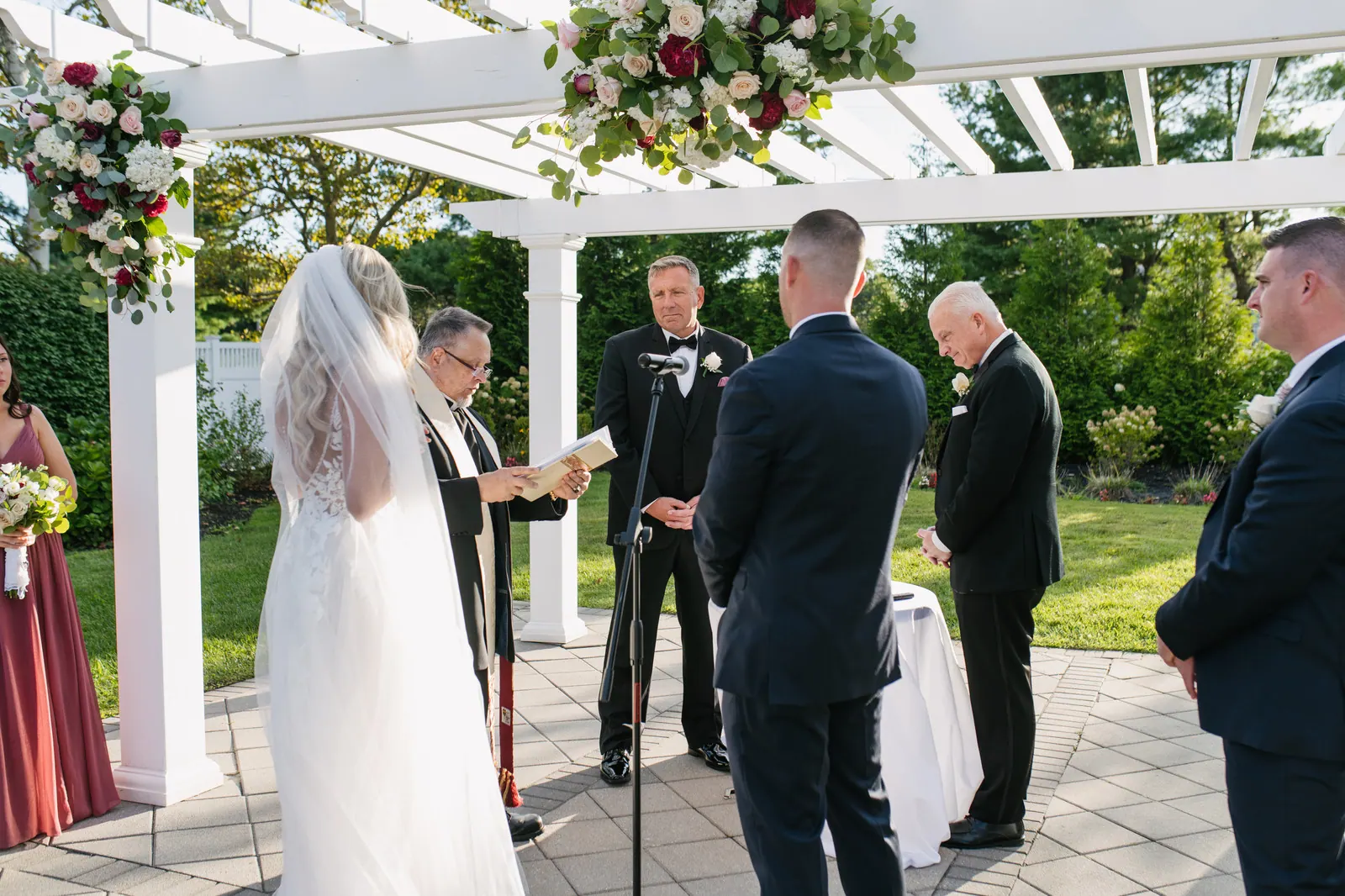
An unplugged wedding ceremony is a request that guests keep phones, tablets, and personal cameras put away while the couple exchanges vows. According to Zola, the idea isn’t about controlling guests for its own sake, it’s about making sure attendees are present in the moment and giving the hired photographer a clear line of sight to the aisle.
The policy typically applies only to the ceremony itself, not the whole day. Many couples who go unplugged for vows are perfectly happy to see phones come out again at cocktail hour, and some even encourage a wedding hashtag once the reception gets going. If you’re weighing how that reception energy fits into your evening, our NJ wedding reception timeline guide breaks down where phone-friendly moments naturally happen.
Why Do Couples Choose an Unplugged Ceremony?
One common reason couples consider going unplugged is photography quality. A raised phone or tablet in the aisle can block a key angle, throw an unwanted glow into a shot, or end up as a visible distraction in an otherwise beautiful photo. Zola notes that many professional ceremony shots have been ruined by a phone or tablet in someone’s hand at exactly the wrong second.
Beyond photography, there are a few other reasons this trend has stuck around.
- Guest presence: Vogue reports that couples who go phone-free often describe guests laughing, tearing up, and squeezing hands rather than watching the moment through a screen.
- Privacy before the reveal: Some couples simply don’t want photos circulating on social media before they’ve had a chance to share their own images.
- Less performing for an audience: Without phones held up, couples say they can actually make eye contact with guests as they walk down the aisle instead of facing a wall of screens.
- Fewer obstructed sightlines for everyone: Guests seated behind someone holding up a phone often can’t see around it either, so an unplugged policy benefits the whole room, not just the photographer.
If photo quality is your main motivation, it helps to understand what your photographer can and can’t do around an unplugged policy. Our wedding photography coverage details how FNA Events approaches ceremony coverage, and our guide on getting your best wedding photos covers more ways to set your photographer up for success.
What Are the Downsides of Going Unplugged?
An unplugged ceremony isn’t automatically the right call for every couple. It’s worth being honest about the tradeoffs before you commit.
- Guests may feel policed. Some attendees, especially older generations, like capturing their own memories and can feel put out by a strict ban.
- Accessibility matters. A guest with low vision may genuinely rely on zooming in with a phone camera to see the ceremony clearly from the back row, so a ban without an alternative can be isolating.
- It adds a communication task. You have to actually get the word out through multiple channels, or the policy won’t stick, and an unenforced unplugged request can feel worse than no policy at all.
- It can create friction with family. Vogue points out that couples who go phone-free sometimes catch pushback from parents or grandparents who are used to taking their own photos.
None of these are reasons to skip an unplugged ceremony outright, but they’re reasons to plan the rollout thoughtfully rather than just tossing a sign at the door.
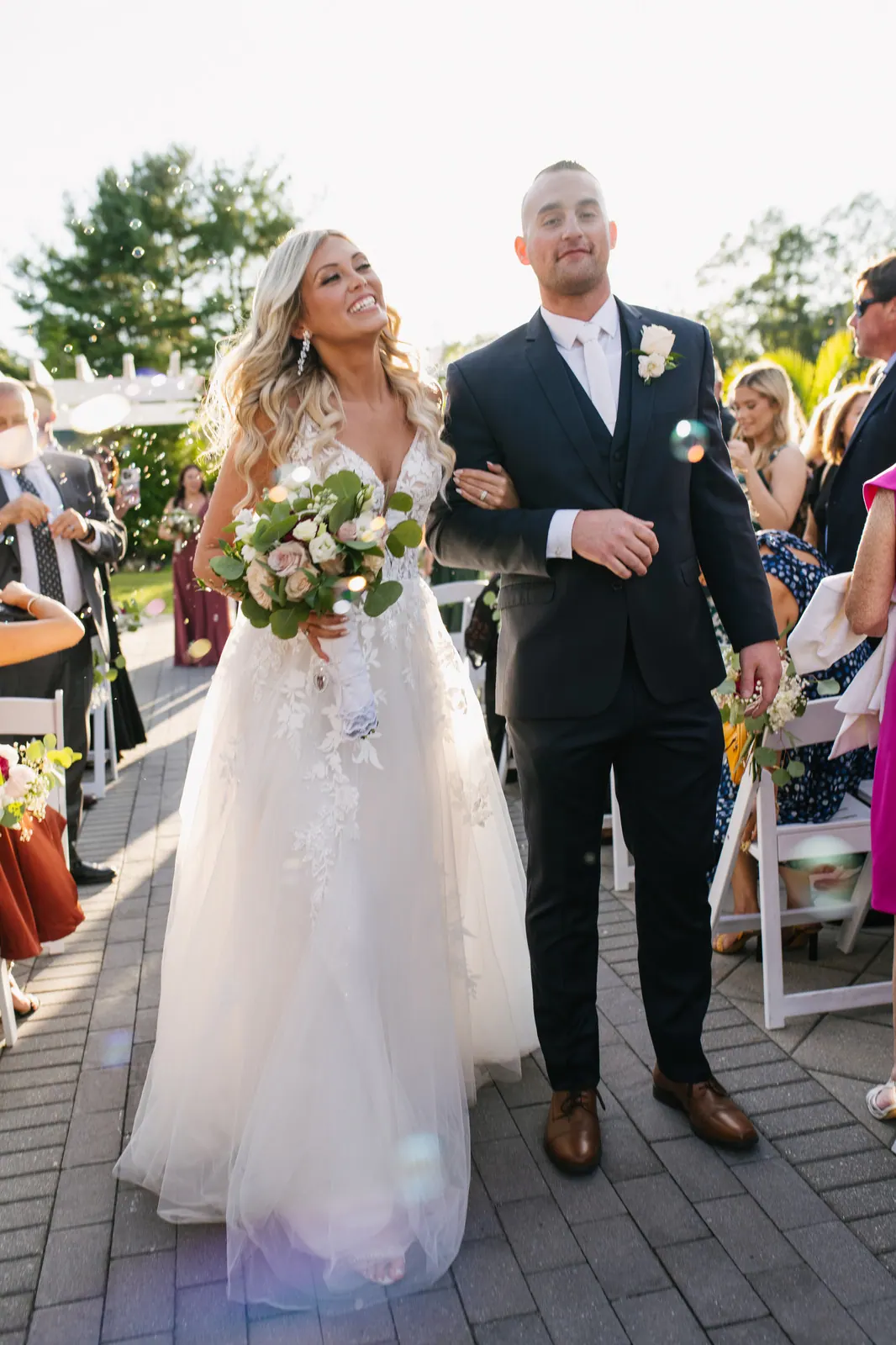
Unplugged Ceremony vs. Phones Welcome: A Quick Comparison
| Factor | Unplugged Ceremony | Phones Welcome |
|---|---|---|
| Photographer sightlines | Clear aisle and altar views, fewer obstructed shots | Risk of phones, arms, and flashes in professional photos |
| Guest experience | More eye contact and presence, less screen time | Guests can capture their own personal memories live |
| Privacy before sharing | Couple controls when and how ceremony photos go public | Photos may be posted to social media within minutes |
| Accessibility | Needs a plan for guests who use visual zoom, hearing assistance, or captions | Zoom and video can help guests with vision or seating limits |
| Enforcement effort | Requires signage, website notice, and an officiant announcement | No extra planning or guest communication needed |
There’s also a middle ground worth considering. The Knot suggests letting guests snap photos once the couple reaches the altar and the officiant opens with a quick photo moment, then asking everyone to put phones away for the rest of the vows. It’s a compromise that satisfies guests who want a shot of the couple while still protecting the bulk of the ceremony for the professionals.
How Do You Announce an Unplugged Ceremony Without Sounding Bossy?
Tone matters as much as the policy itself. A short, warm note almost always lands better than a stern rule. Here is a simple sequence that works for most ceremonies, outdoor or indoor, shore or city.
- Mention it on your wedding website under the ceremony details, a few weeks before invitations go out, so guests have time to absorb it.
- Add a line to the invitation suite or ceremony program such as, “We invite you to be fully present with us. Please silence and put away phones and cameras during the ceremony.”
- Place a sign at the entrance to the aisle or seating area, ideally somewhere every guest has to pass before they sit down.
- Have your officiant make a brief announcement right before the processional begins, since this catches anyone who missed the sign or the website note.
- Loop in your DJ or MC if there’s a cocktail hour transition, since a friendly reminder that phones are welcome again afterward helps the policy feel temporary rather than punitive.
If you’re using a planner, officiant, or emcee for your ceremony, ask them to help carry the message so it doesn’t fall entirely on you and your partner. Couples can discuss the announcement with an FNA Events wedding officiant, and FNA Events also offers bilingual English-Spanish MC service when the message needs to be delivered in both languages.
What Should an Unplugged Wedding Ceremony Sign Say?
A sign works best when it’s short, friendly, and placed where guests can’t miss it. Keep the wording simple and explain the why in one sentence, since guests respond better to a reason than a command.
- “Unplugged ceremony: please silence and put away phones and cameras so we can be fully present with you.”
- “We love that you’re here. Please no phones or cameras during the ceremony, our photographer has it covered.”
- “Phones away, please. We want to see your eyes, not your screens, while we say our vows.”
Pair the sign with a basket or small table near the entrance if you want guests to physically set phones aside, and make sure a member of the bridal party knows where that basket will be kept so guests can find their phones again after the ceremony.
Does an Unplugged Ceremony Affect Your Photography or Videography Plans?
Going unplugged puts more weight on your hired photography and videography team, since they become the sole source of images from that part of the day. This is one reason it’s worth discussing the policy with your photographer ahead of time so they know to expect a clear aisle and can plan their angles accordingly.
FNA Events delivers photography highlights within about 7 days and the full digital album in roughly 30 to 60 days. For couples who want backup coverage of two getting-ready locations or extra angles during the vows, our guide on whether you should hire a second shooter walks through when that extra coverage makes sense. On the video side, our cinematic wedding videography uses multiple cameras to capture the ceremony from several angles at once, which matters more when guest phones aren’t filling in the gaps.
When Should You Skip an Unplugged Policy?
An unplugged ceremony isn’t a must for every couple, and there are a few situations where it makes more sense to let phones stay out.
- Very small or micro weddings where everyone is seated close to the aisle and a phone or two isn’t going to block a shot.
- Ceremonies where elderly guests specifically rely on a phone or tablet to see or hear better from their seats, and no better accommodation is available.
- Guest lists full of guests who live far away and whose own families back home are watching along through a live video call.
- Couples who genuinely don’t mind a mix of candid and professional shots and like the idea of guests’ phone photos as a casual supplement to the main album.
There’s no wrong answer here. The policy exists to serve you and your guests, not the other way around, so if it doesn’t fit your priorities, skip it without a second thought.
Frequently Asked Questions
Is it rude to ask guests to not use phones at a wedding?
No, it’s considered acceptable wedding etiquette according to The Knot, as long as you communicate it clearly and kindly ahead of time. Guests are more likely to understand the request when it is framed around presence and photo quality rather than control.
Can guests take photos at the reception if the ceremony is unplugged?
Yes, an unplugged policy often applies only to the ceremony, but couples should state clearly when the restriction begins and ends. Couples can welcome phones and a wedding hashtag once cocktail hour and the reception begin, so guests can still share their own photos later in the night.
Who should make the unplugged announcement at the ceremony?
The officiant is the most common choice, since they already have the room’s attention right before the processional begins. A wedding planner, MC, or a member of the bridal party can also make the announcement if the officiant prefers not to.
Does an unplugged ceremony mean guests can’t take videos either?
Typically yes, an unplugged request covers both photos and video recording, since both can obstruct the photographer’s view and distract guests sitting nearby. If you want guests involved in documenting the day, consider directing that energy toward the reception instead.
What if a guest ignores the unplugged request?
Avoid confronting a guest mid-ceremony unless the behavior is seriously disruptive; a sign and officiant announcement can communicate the request to the room as a whole. If it’s a recurring concern, a quiet word from a parent or the planner before the ceremony starts can help.
Sources
- Zola: Unplugged Wedding – How & Why to Ban Phones at a Ceremony
- The Knot: Not Sure if You Want an Unplugged Ceremony? Here’s a Good Compromise
- Vogue: Should You Have a Phone-Free Wedding Ceremony?
Ready to Check Your Date
If you are planning a wedding or celebration in New Jersey, New York, or the Philadelphia area, the FNA Events team can walk you through DJ and MC entertainment, photography, videography, live music, enhancements, and photo booths, all run by one coordinated crew. Call (844) 373-7411 or visit our contact page to share your date and venue and get pricing for your celebration.
Written by the team at Fresh New Angle Events, Toms River, New Jersey wedding DJs, photographers, videographers, and event professionals serving couples across New Jersey, New York, and the Philadelphia area.