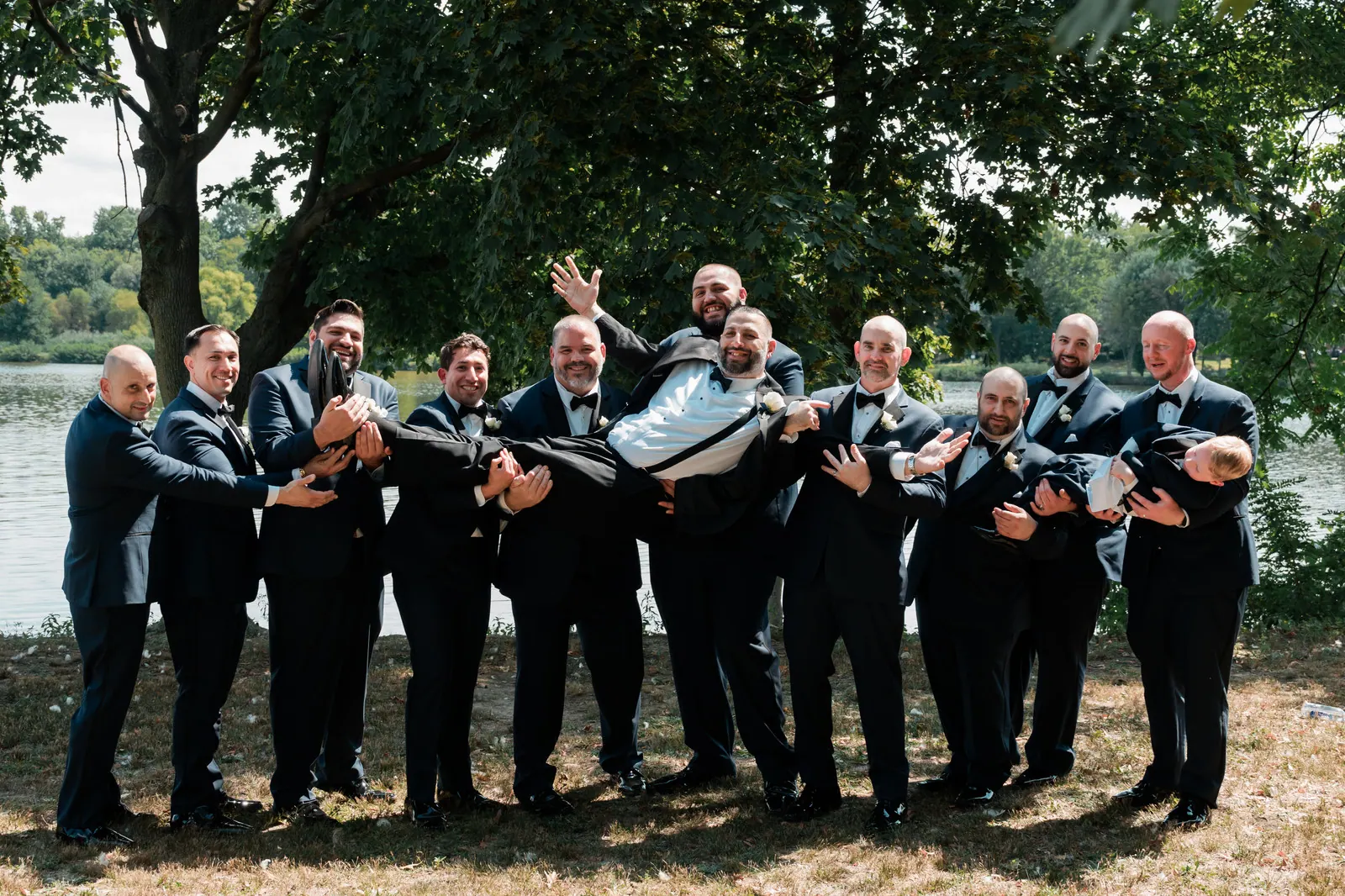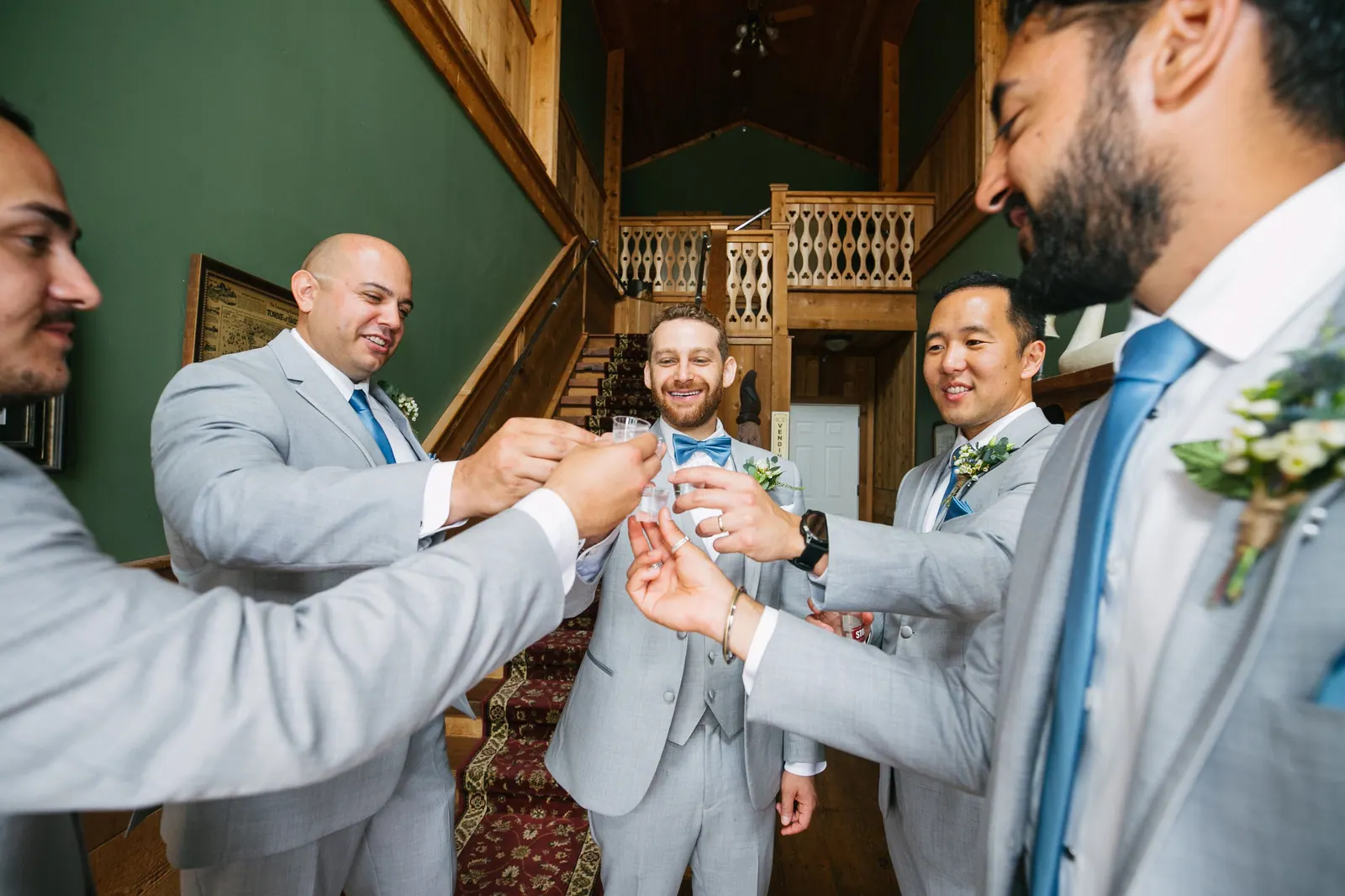
Event Budgeting Basics: A Wedding Budget Guide for Entertainment, Photo, Video, and Enhancements
Quick answer: To budget for entertainment, photo, video, and enhancements, set a total wedding budget first, then use national spending benchmarks—about 10% for photography and video combined, 6% for music, and 3% for guest-entertainment extras—as starting points, adjusting for your region and priorities.
Key takeaways
- Photography and video typically account for about 10% of a total wedding budget, according to The Knot’s reporting on wedding spending.
- Music accounts for about 6% of a wedding budget and guest-entertainment extras about 3% in the national breakdown reported by U.S. News, citing The Knot.
- Set your top-line number before signing major contracts, since venue and catering can shape how much remains for everything else.
- Outdoor and tented events often cost more than couples expect once permits, rentals, and power are factored in.
- Building in a contingency line can help absorb unexpected costs; Consumer Reports found that overspending was common among the newlyweds it surveyed.
How Much Should You Budget for a Wedding Overall?
Before splitting money into categories, you need a top-line number. The Knot’s Wedding Budget Advisor notes that average wedding costs in the U.S. range from about $17,000 to $55,000 depending on location, size, and season, while U.S. News reports averages of about $40,000 for Philadelphia and $88,000 for New York City. Couples in New Jersey and New York may spend above or below those city averages depending on guest count, location, season, and venue style.
Start this conversation with your partner and anyone contributing money at least 12 months before the wedding, which is the timeline The Knot recommends. That gives you room to research real costs in your area, compare venues, and build in cushion before you fall in love with a space that stretches the budget. For New Jersey-specific numbers, see our guide to average wedding costs in New Jersey, and if family members are contributing, our piece on who traditionally pays for what can help frame those conversations.
What Percentage of a Wedding Budget Goes to Entertainment, Photo, and Video?
According to The Knot’s breakdown of national wedding spending, venue takes the largest share at 29%, followed by catering, cake, and drinks at 24%. Photography and video together typically account for about 10% of the total budget, music runs around 6%, and guest entertainment (things like photo booths and lawn games) adds roughly 3% more.
Those percentages are a starting point, not a rule. Some couples prioritize video and entertainment over florals or favors, and that is a reasonable trade-off as long as you are intentional about it. The table below shows how a sample budget might split across these categories at a few different total price points.
| Total Wedding Budget | Photo + Video (approx. 10%) | Music (approx. 6%) | Enhancements/Photo Booth (approx. 2-3%) |
|---|---|---|---|
| $25,000 | $2,500 | $1,500 | $500-$750 |
| $40,000 | $4,000 | $2,400 | $800-$1,200 |
| $60,000 | $6,000 | $3,600 | $1,200-$1,800 |
These are estimated ranges based on national percentage benchmarks, not FNA Events pricing, since actual quotes depend on hours of coverage, team size, and add-ons. You can request a personalized quote through FNA Events’ entertainment and photo/video packages once you know roughly what you want to spend in each category.
How Do You Allocate Budget for Photography and Videography?
Photography and video are often grouped together in budget breakdowns, but it helps to think about them as two separate decisions. Ask yourself whether you want a highlight reel, a full-length film, or both, and whether you need a second photographer for simultaneous getting-ready coverage. A second shooter adds cost but is worth considering if you and your partner are getting ready in different locations.
Delivery timelines matter too, since some couples want to see images quickly for thank-you cards or social posts. For reference, FNA Events says photo highlights are delivered within 7 days and video teaser films within 24–72 hours; confirm full-gallery and film timelines when selecting coverage. Review our photography coverage details and cinematography services to see what is typically included before you set a number. Our post on getting your best wedding photos also covers planning around shot lists and timing.
How Much Should You Set Aside for DJ, MC, and Live Music?
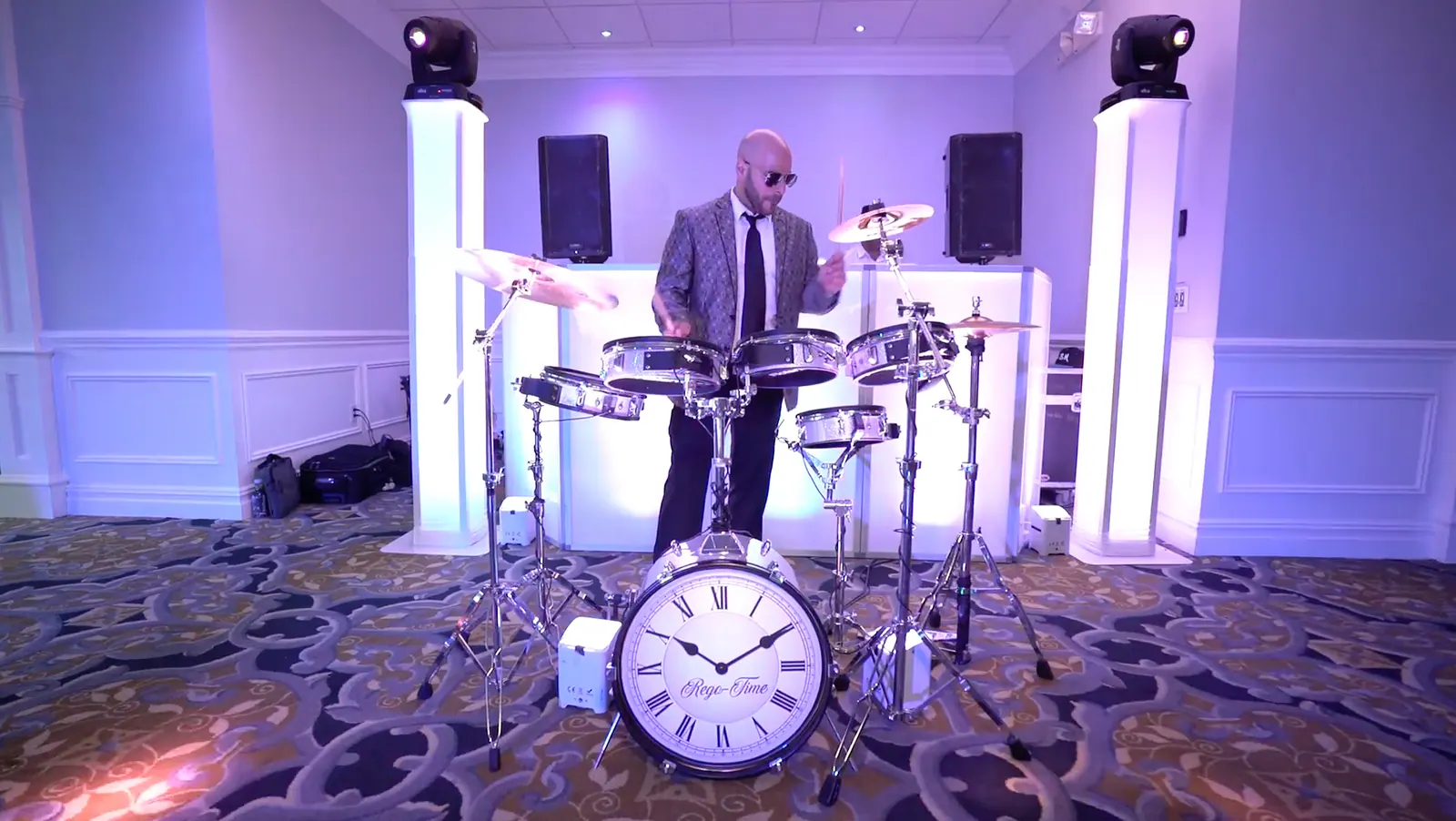
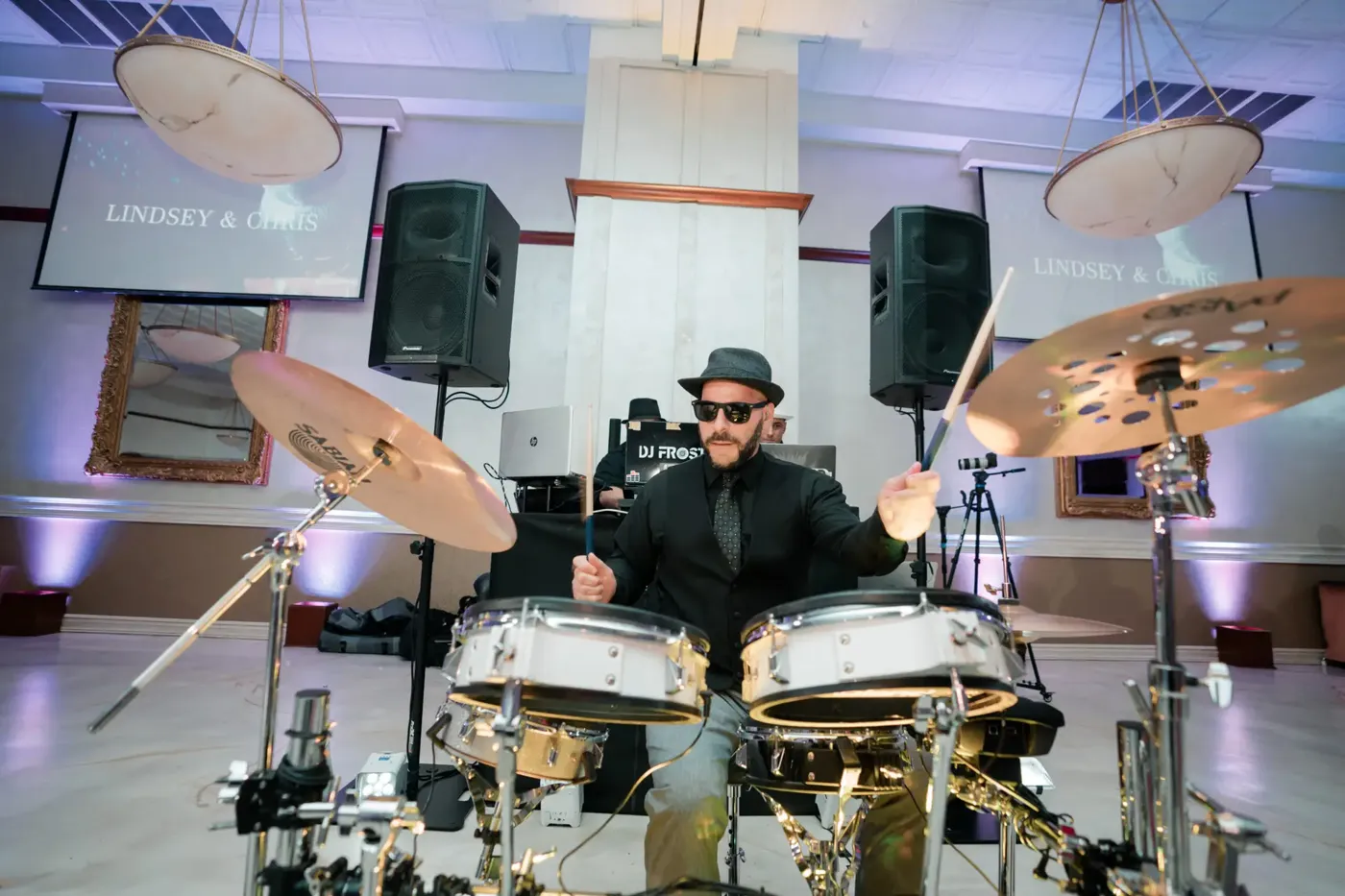
Entertainment can shape the energy of the reception, so it deserves its own budget line. The Knot’s spending data puts music around 6% of total budget nationally, but that figure can shift depending on whether you add live musicians, a bilingual MC, or extended coverage hours.
Consider whether you want a DJ and MC for the full reception, a ceremony musician, or both. Many couples layer a string duo or saxophonist for cocktail hour alongside a DJ for the reception. For a full cost breakdown specific to this market, see our wedding DJ pricing guide, and explore live wedding musicians who play alongside your DJ if you want that layered sound. Our ceremony and cocktail music planning guide walks through how to sequence these decisions.
What Enhancements and Add-Ons Are Worth Budgeting For?
Enhancements like uplighting, cold spark fountains, custom monogram projections, and photo booths fall into the smaller but visible slices of a wedding budget, roughly matching the guest entertainment category The Knot tracks at around 3%. Because these add-ons are highly visible, list them separately so you can compare their value with other priorities.
Not every enhancement fits every venue or climate. Some cold spark and low-lying cloud systems are designed for indoor use, but they still require venue approval and may trigger permit, fire-code, alarm, or ventilation requirements in indoor, outdoor, or tented settings. Explore options through wedding enhancements like sparks, clouds, and lighting and photo booth rental styles to see what realistically fits your remaining budget after the bigger categories are set.
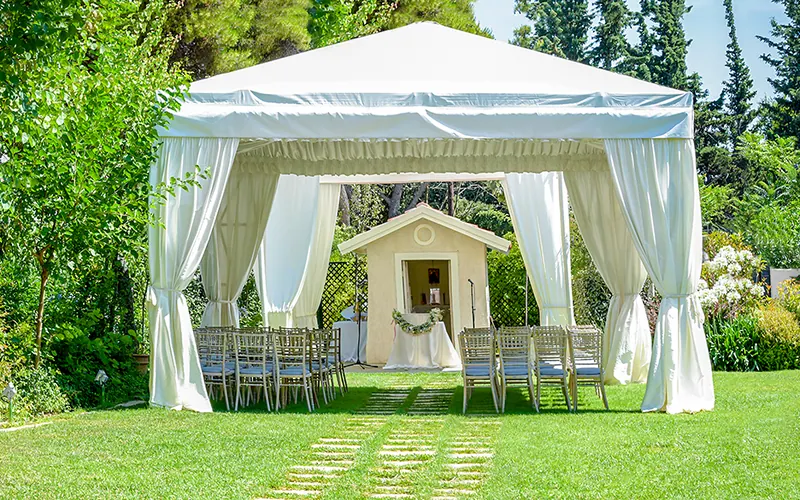
How Do Outdoor, Shore, and Tented Weddings Change the Numbers?
Couples planning a shore or outdoor wedding often assume it will be cheaper than an indoor ballroom, but U.S. News reports that event planners frequently see the opposite. Building out a tented site, including restrooms, flooring, lighting, and backup power, can cost more than renting an already-equipped venue.
Permits are another line item people forget. Depending on the municipality, tents, cooking operations, and even cold spark or pyrotechnic effects may require a fire permit, as outlined by the Monmouth County Fire Marshal’s Office and New Jersey’s Division of Fire Safety. Ocean and county park properties often have their own permit processes as well. Budget time and any applicable permit or inspection fees if you are marrying at the shore or in a public park, and see our venue safety guide for special effects for more on what venues typically require before approving sparks or similar effects.
How Should You Sequence Your Spending Decisions?
Before signing each contract, update your budget with the quoted price, required deposit, payment schedule, taxes, service charges, and optional add-ons. Keep a separate contingency line for unexpected costs, then use the vendor booking order guide when deciding which professionals to secure next.
Consumer Reports found in its survey of recent newlyweds that almost two-thirds of surveyed newlyweds who had budgeted for their reception still overspent, which is why that contingency line matters. For a month-by-month framework, check the complete wedding planning timeline and checklist.
What Are the Most Common Budgeting Mistakes to Avoid?
A few patterns show up repeatedly in post-wedding budget reviews. Avoiding them early can save real money and stress later.
- Skipping the contingency fund: Consumer Reports’ survey found that a majority of couples overspent their reception budget by a meaningful amount, even when they thought they had planned carefully.
- Underestimating outdoor setup costs: tenting, restrooms, and power rentals can erase the savings people expect from skipping an indoor venue.
- Forgetting permit and inspection fees: tents, cooking, and special effects may require fire permits through your county or municipality, and those applications take time, not just money.
- Booking entertainment last: availability can narrow on popular dates, so compare options early and review the vendor booking order guide.
- Not reviewing vendor contracts closely: unclear cancellation or overtime terms can turn into unexpected costs. Our guide to understanding vendor contracts covers what to check before you sign.
Frequently Asked Questions
How far in advance should we finalize our wedding budget?
The Knot recommends setting your initial budget at least 12 months before the wedding, giving you time to research real local costs, compare venues, and build in a contingency fund before locking in major vendors like your venue, photographer, and entertainment team.
Should we pay for a wedding planner if we are on a tight budget?
It depends on your comfort with coordinating vendors yourself. A planner adds an upfront cost; U.S. News reports a national planning benchmark of about 5% and notes that a well-connected planner may help negotiate pricing and coordinate details.
Is it normal to go over budget on a wedding?
Yes, it is common. Consumer Reports’ survey of recent newlyweds found that most couples who set a reception budget still overspent, so including a contingency line in your plan is a prudent habit.
Do photo booths and lighting enhancements really affect guest experience that much?
They can be highly visible and give guests another activity during the celebration. Enhancements like uplighting, monograms, and photo booths fall into the smaller guest-entertainment slice of a typical budget but are highly visible in photos and keep guests engaged during slower parts of the reception.
What is the biggest line item in a typical wedding budget?
Venue is usually the largest single category, at about 29% of total spending according to The Knot, with catering, cake, and drinks close behind at around 24%. Together these two categories often account for roughly half of a couple’s total wedding budget.
Sources
- The Knot Free Wedding Budget Advisor
- Consumer Reports: Get More Wedding for Your Money
- U.S. News: This Is How Much the Average Wedding Costs
- Monmouth County Office of the Fire Marshal: Special Event Fire Permit and Inspection Packet
- NJ Department of Community Affairs: Tent and Canopy Permit Guidelines
Ready to Check Your Date
If you are planning a wedding or celebration in New Jersey, New York, or the Philadelphia area, the FNA Events team can walk you through DJ and MC entertainment, photography, videography, live music, enhancements, and photo booths, all run by one coordinated crew. Call (844) 373-7411 or visit our contact page to share your date and venue and get pricing for your celebration.
Written by the team at Fresh New Angle Events, Toms River, New Jersey wedding DJs, photographers, videographers, and event professionals serving couples across New Jersey, New York, and the Philadelphia area.