Venue Safety Guide for Pyrotechnics and Special Effects in NJ
Quick answer: Pyrotechnic and special-effects use at NJ venues may be regulated under the New Jersey Uniform Fire Code and the NFPA standards incorporated by the applicable rules; required permits, operator qualifications, and approvals depend on the device and the authority having jurisdiction. Couples wanting dramatic effects should ask the venue and fire-code official early; cold spark devices may still require approval or a fire permit even though they are not conventional fireworks.
Key takeaways
- New Jersey treats pyrotechnics, fireworks, and even cold spark or similar devices as fire code activities requiring a permit, according to the NJ Division of Fire Safety and county fire marshal offices.
- Public fireworks displays need applications submitted through the DCA Service Portal at least 15 days before the event, per NJ’s official fireworks permit guidance.
- NFPA 1126 is the national standard covering pyrotechnics used before a proximate audience, including operator qualifications and site setup.
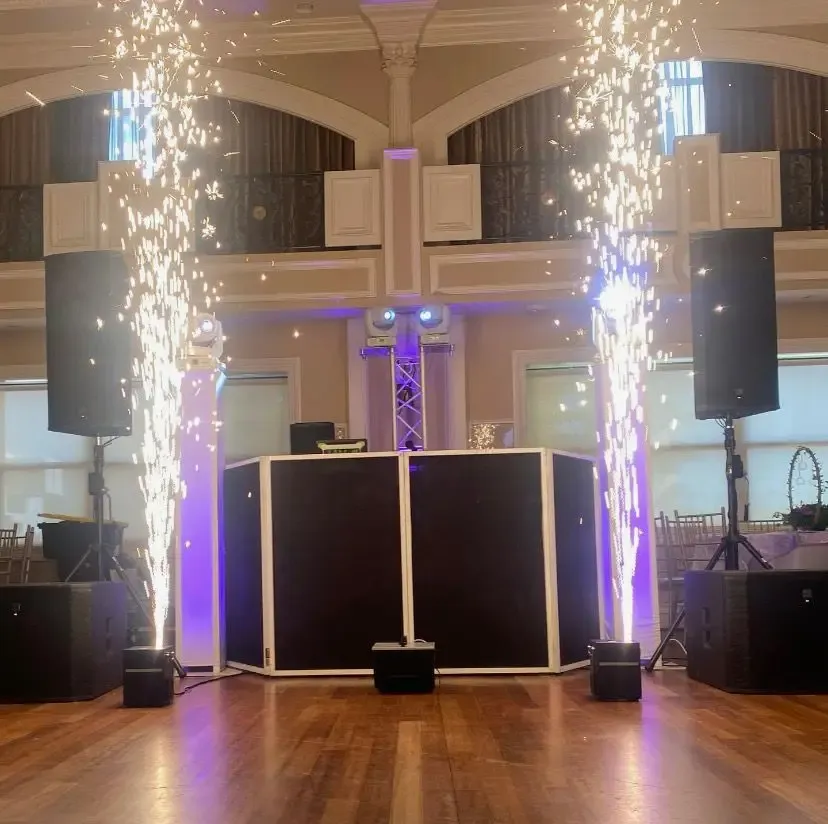
- Cold spark fountains are generally marketed as indoor-safe and produce a similar visual effect to pyrotechnics without an open flame, which is why many NJ venues allow them when permits for true pyrotechnics are not feasible.
- Always confirm your venue’s own rules first, since many properties restrict or ban open-flame effects regardless of what a permit allows.
Why Pyrotechnics and Special Effects Need Permits in NJ
Effects involving fireworks, pyrotechnics, flame, sparks, or theatrical smoke may be subject to fire-code review in New Jersey, even at a private wedding or party. New Jersey requires permits for regulated fireworks and pyrotechnic activities, while the treatment of cold spark and similar devices should be confirmed with the fire-code official who has jurisdiction over the venue.
This matters for couples because it is easy to assume a small tabletop sparkler fountain or an indoor “cold spark” machine is unregulated. In practice, county fire marshal offices such as the one in Monmouth County specifically list cold spark or similar pyrotechnic devices alongside tents and cooking operations as requiring a permit on county-controlled properties, per the Monmouth County Office of the Fire Marshal’s special event packet.
The reasoning is straightforward: any device that can ignite fabric, dry vegetation, or overhead decor is a fire risk, and permitting lets a fire official confirm distances, materials, and operator qualifications before guests are in the room. If you are comparing effects for your reception, our wedding enhancements page outlines the options FNA Events offers, including effects that are easier to clear with most venues.
Pyrotechnics vs. Cold Sparks: What Is the Difference
NFPA 1126 provides safety criteria for pyrotechnics used before a proximate audience, but the legally applicable edition depends on the code adopted by the jurisdiction; New Jersey’s current public-display guidance references the 2016 edition. That standard requires a qualified pyrotechnic professional to handle setup, operation, and site planning, and it applies to indoor and outdoor venues including theaters, concert halls, and stadiums.
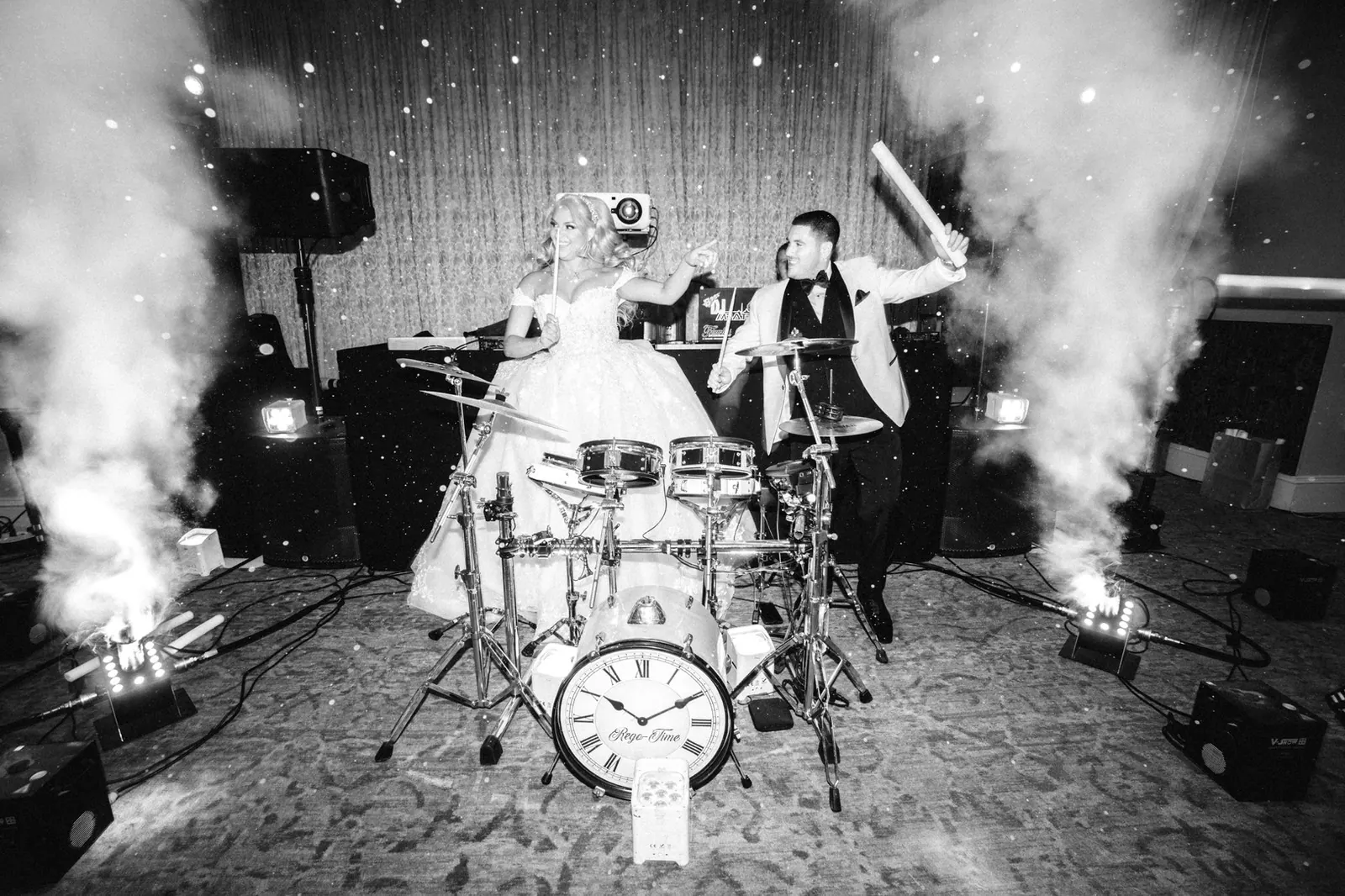
Cold spark fountains work differently. They heat a granular material to create a spark effect at a lower temperature than conventional pyrotechnics, but the output should never be treated as safe to touch; venue approval, required clearances, and fire-code review still apply.
Cold sparks are still a fire-code item in many jurisdictions, as noted above, so “indoor-safe” does not automatically mean “permit-free.” Approval may require insurance documentation, equipment specifications, a site plan, an inspection, and any permit required by the fire-code official. See our dedicated cold spark fountains page for how this effect is typically used during a first dance or grand entrance.
Quick Comparison
| Effect | Typical Regulatory Path in NJ | Common Venue Restrictions |
|---|---|---|
| Fireworks / aerial display | DCA Service Portal fireworks permit, municipal approval, local fire department standby, FAA documentation, and Coast Guard or State Police Marine Division documentation when applicable | Almost always banned indoors; outdoor use needs open land, setback distance, and municipal approval |
| Proximate pyrotechnics (stage effects, gerbs, flame) | Local or county fire permit plus compliance with NFPA 1126 and a licensed pyrotechnic operator | Many indoor venues prohibit open flame effects entirely regardless of permit status |
| Cold spark fountains | May require a fire permit; Monmouth County specifically requires one for cold spark or similar devices at events on county properties | Frequently allowed indoors with proof of insurance; some venues still cap height or quantity |
| CO2 jet effects | No combustion, but concentrated CO2 can displace oxygen and the cold discharge can injure skin or eyes | Venue approval, ventilation, safe placement, and protection of guests and staff are required; fire-alarm devices must not be disabled without authorization from the responsible fire-safety authority |
Who Issues Pyro Permits in New Jersey
Permitting in New Jersey runs through a few different offices depending on the scale and location of your event. Public fireworks displays require an application submitted through the New Jersey Department of Community Affairs (DCA) Service Portal for Fire Code Inspections, and the state’s official guidance requires that application at least 15 days before the display date.
For county-owned venues, parks, or facilities, the county fire marshal’s office often runs a parallel process. The Monmouth County Office of the Fire Marshal, for example, publishes a Special Event Fire Permit and Inspection Packet that covers tents, cooking, fireworks, and cold spark devices, and recommends starting the application well before the event date.
In New York City, special effects fall under the Fire Department of New York’s certificate of fitness program for pyrotechnics and flame effects operators, which sets separate rules for concerts, film, and television productions. If your celebration crosses into New York, build in extra lead time to confirm which agency applies.
- Contact your venue first to learn whether they allow the effect at all.
- Ask the venue which state, county, or municipal fire-code official has jurisdiction over the property and the proposed effect.
- Submit your application through the DCA Service Portal for any fireworks-level display, allowing at least 15 days.
- Confirm your effects vendor holds the required pyrotechnic operator qualifications under NFPA 1126 for proximate-audience effects.
- Request written confirmation of the approved permit before finalizing your vendor contract.
Venue Safety Checklist for Special Effects
Whether you are a venue manager reviewing a vendor’s request or a couple trying to get a special effect approved, a short checklist keeps the conversation efficient and avoids last-minute surprises.
- Confirm whether the venue allows the specific effect (open flame, cold spark, CO2, fog) in its contract or house rules before booking a vendor.
- Ask which fire authority has jurisdiction, since county, municipal, and state-owned properties each have their own process.
- Request proof of general liability insurance from the effects operator, which most venues require regardless of permit status.
- Verify the operator’s qualifications match NFPA 1126 requirements if any proximate pyrotechnics are involved.
- Check ceiling height, sprinkler clearance, and smoke detector zones near the proposed effect location.
- Confirm a clear fallout or spark radius away from guests, linens, florals, and draping.
- Have a documented backup plan if the permit is denied or weather prevents an outdoor display.
- Share the approved permit and site plan with the DJ, photographer, and videography team so timing is coordinated with the rest of the reception timeline.
For venues that host weddings regularly, our Venue AV Checklist for DJs & Photographers covers the broader production side, including power and staging needs that often overlap with special effects planning.
Indoor vs. Outdoor Considerations
Indoor venues such as ballrooms and banquet halls often restrict open flame and pyrotechnics because of fire-code requirements, building conditions, and crowd safety. Cold spark fountains and low-lying cloud effects are often used for first dances and grand entrances, but each device requires venue approval and may leave residue, create condensation, or affect detection systems depending on the equipment and setting.
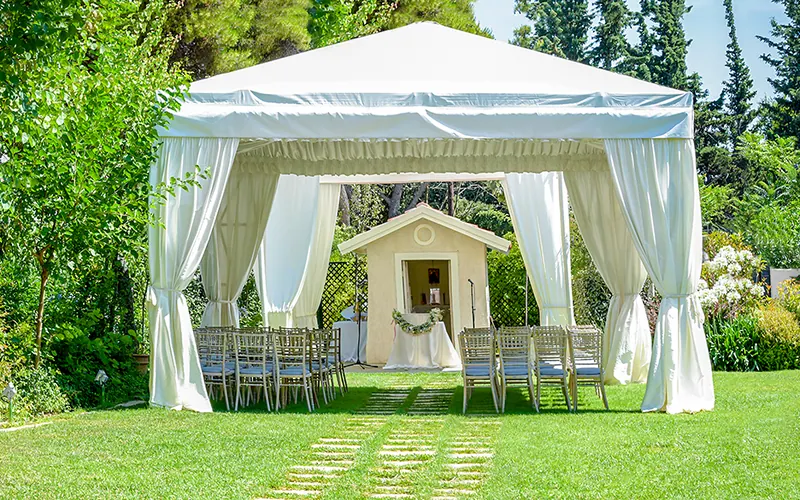
Outdoor settings, including shore venues and backyard tents, open up more possibilities but add their own complications. Wind direction affects fallout zones, dry grass or brush raises fire risk, and any fireworks-level display near water may require Coast Guard or New Jersey State Police Marine Division notice in addition to the standard DCA permit, according to the state’s public fireworks guidance.
Tents may require a separate fire permit depending on their size, configuration, use, and the authority having jurisdiction, apart from any approval required for special effects. If your celebration is happening at a shore or park property, check our separate guide on NJ beach and park permits for ceremony-specific rules that work alongside any effects permit.
When to Call a Licensed Pyrotechnics Professional
Cold spark fountains, CO2 jets, and similar effects are commonly operated by experienced entertainment vendors as part of a broader production package. Proximate pyrotechnics and aerial fireworks should be handled only by properly qualified professionals, with the event permits and approvals required by the authority having jurisdiction.
This distinction protects your guests and your venue relationship. A venue that discovers an unpermitted flame effect mid-reception can shut the display down immediately, and in a worst case, it creates real injury or property damage liability for everyone involved, including the couple who hired the vendor.
If you want the visual impact of pyrotechnics without the permitting burden, ask your entertainment team about CO2 cannons or cold spark fountains instead. FNA Events offers both as part of its enhancement lineup, and because these effects integrate with the same DJ and lighting team running your reception, timing them to a song cue or grand entrance is straightforward.
How FNA Events Approaches Special Effects Compliance
FNA Events, based in Toms River and serving New Jersey, New York, and the Philadelphia area, offers cold spark fountains and CO2 cannons; approval and permit requirements depend on the venue, device, and local fire-code authority. Ask FNA Events how enhancement cues can be coordinated with your reception music and timeline.
Because every venue has its own house rules, we recommend couples confirm effect approval with their venue coordinator before finalizing a package. The venue and fire-code official should confirm what the property allows, and FNA Events can discuss enhancement alternatives if a proposed effect is not approved. You can review available options on our event enhancements page and browse documented celebrations on our venues page.
If your venue has strict fire code limits, pairing a cold spark fountain with other visual elements such as uplighting or a custom monogram projection often delivers a similar dramatic moment without the compliance burden of true pyrotechnics.
Common Mistakes That Delay or Block Special Effects
Most special-effects problems at weddings come down to timing and assumptions rather than the effect itself. Avoiding a few predictable mistakes keeps your plan on track.
- Booking a pyrotechnics vendor before confirming the venue allows the effect at all.
- Assuming a small tabletop sparkler or cold spark unit is exempt from permitting on county or municipal property.
- Waiting until the final month to apply, when NJ’s own guidance calls for submitting fireworks applications at least 15 days ahead and county fire marshal offices recommend even earlier contact.
- Failing to share the approved permit and safety plan with the DJ, photographer, and catering team, which can cause confusion about exact timing during the reception.
- Not having a backup plan if a permit is denied or outdoor weather forces a change, leaving a gap in the evening’s flow.
Our guide on venue AV checklists and our page on service areas across New Jersey, New York, and Pennsylvania are good starting points for confirming what your specific property and region require before you commit to an effect.
Frequently Asked Questions
Do I need a permit for sparklers at my wedding exit?
Handheld sparklers for a send-off are generally treated differently than pyrotechnic devices, but many venues still have their own rules on open flame near guests, parking areas, and dry landscaping. Always confirm directly with your venue and local fire department, since rules vary by municipality.
Can a wedding DJ or entertainment company legally operate pyrotechnics?
Only if the individual holds the required pyrotechnic operator qualifications under NFPA 1126 and the event has an approved fire permit. Cold spark and CO2 equipment may be regulated differently from conventional pyrotechnics, but the operator, permit, and venue-approval requirements must be confirmed for the specific device and location.
How far in advance should I apply for a fireworks permit in NJ?
New Jersey’s official fireworks permit guidance requires the application to be submitted through the DCA Service Portal at least 15 days before the display date. County-level events may require even more lead time, so contact your venue’s fire marshal office as soon as you start planning.
Are cold spark fountains allowed inside wedding venues?
Cold spark fountains are commonly marketed as indoor-safe because they produce cool sparks without open flame, and many indoor venues allow them where true pyrotechnics are prohibited. Some jurisdictions and county-owned properties still require a fire permit for cold spark devices, so confirm with your specific venue first.
What happens if a venue denies my special effects request last minute?
Have a backup plan ready, such as swapping to uplighting, a custom monogram projection, or intelligent dance-floor lighting that does not require fire code approval. Choose and approve a backup effect before the event, because alternatives may have different power, placement, rigging, and timing requirements.
Who is responsible for getting the fire permit, the couple or the vendor?
This varies by contract, but the venue typically wants documentation that someone, either the couple, planner, or effects vendor, has secured the correct permit before the event date. Clarify this responsibility in writing when you book any special effects vendor.
Sources
- NFPA 1126, Standard for the Use of Pyrotechnics Before a Proximate Audience
- Monmouth County Office of the Fire Marshal: Special Event Fire Permit and Inspection Packet
- NJ Division of Fire Safety: Public Fireworks Permit Information
- NJ DCA Bureau of Fire Code Enforcement: Apply for a Permit
Ready to Check Your Date
If you are planning a wedding or celebration in New Jersey, New York, or the Philadelphia area, the FNA Events team can walk you through DJ and MC entertainment, photography, videography, live music, enhancements, and photo booths, all run by one coordinated crew. Call (844) 373-7411 or visit our contact page to share your date and venue and get pricing for your celebration.
Written by the team at Fresh New Angle Events, Toms River, New Jersey wedding DJs, photographers, videographers, and event professionals serving couples across New Jersey, New York, and the Philadelphia area.