Wedding Photography Styles Explained: Light and Airy vs Moody vs True-to-Color
Quick answer: Light and airy, dark and moody, and true-to-color are three common wedding photography editing approaches, differing in brightness, contrast, color, and tonal treatment. Light and airy favors bright, soft tones; moody uses deep shadows and rich color; true-to-color keeps skin tones and scenery close to what the eye actually saw.
Key takeaways
- Light and airy photos typically use brighter tones and softer contrast, an approach often associated with sunlit, open venues such as beaches and gardens.
- Dark and moody editing often emphasizes contrast and deeper shadows and can complement candlelit barns, ballrooms, or evening receptions.
- True-to-color photography keeps skin tones, florals, and skies close to how they actually looked, which is why The Knot reports it’s a growing 2026 trend.
- Consider your venue’s light, season, and decor colors, but prioritize the look you consistently prefer across complete galleries.
- Always ask to see a photographer’s complete edited gallery from a real wedding, not just a portfolio of highlights, before booking.
How Do These Wedding Photography Editing Styles Differ?
Light and airy, dark and moody, and true-to-color are three common ways to describe wedding photo editing, although many photographers blend these looks or use other treatments. These labels describe how a photographer processes exposure, contrast, and color after the shoot, not just how they shoot on the day.
All three styles can be shot with similar cameras and lenses. The final look comes from both the photographer’s choices on the wedding day—such as exposure, lighting, and composition—and post-production adjustments to tone, contrast, and color.
Understanding these differences before you book matters because editing style is largely permanent once you choose a photographer. If you want to see how coverage length affects how much a photographer can capture in any of these styles, our guide to wedding photography hours walks through typical timelines.
Light and Airy Wedding Photography: What It Looks Like
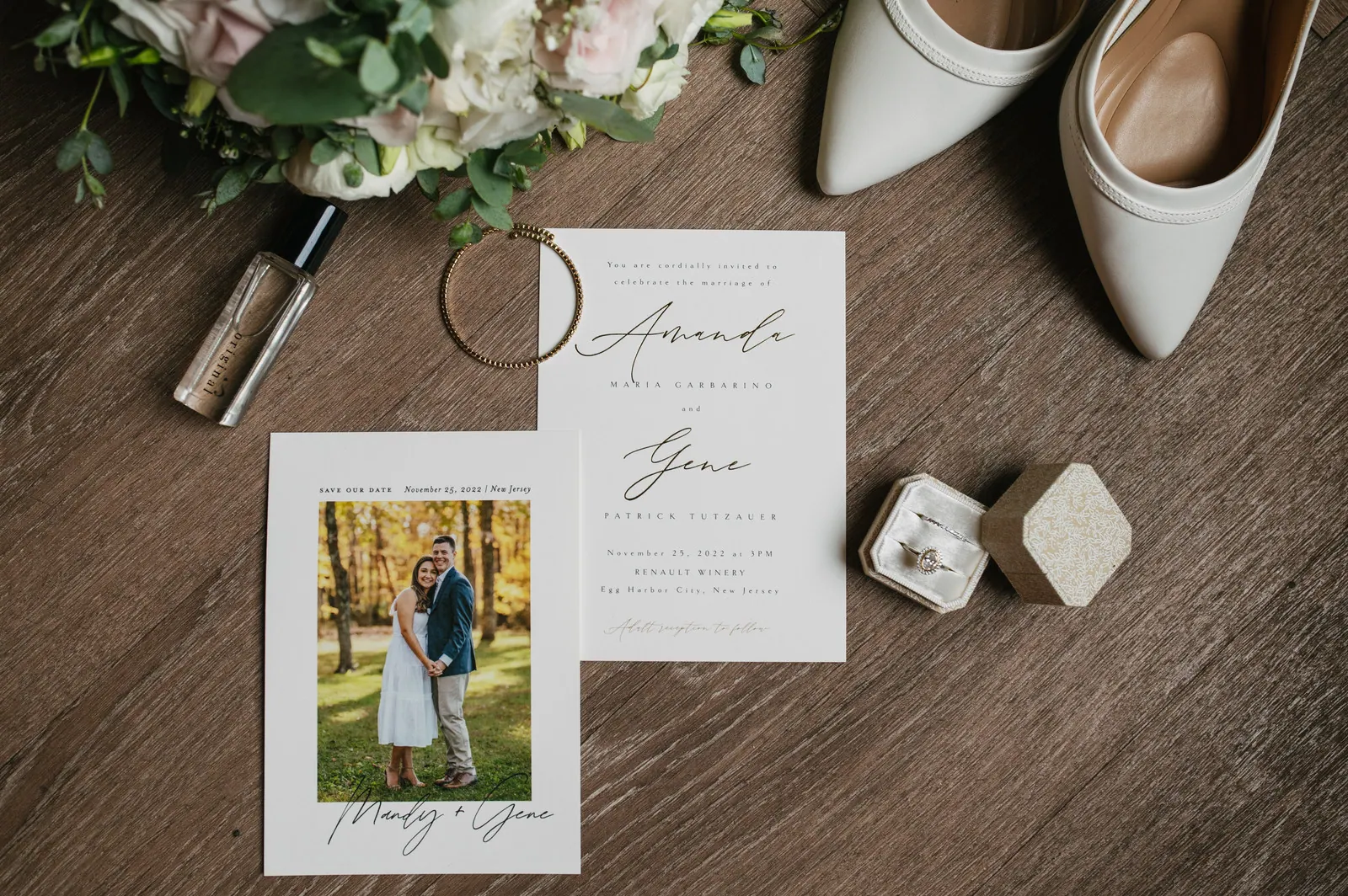
Light and airy photography favors soft, bright exposure, lifted shadows, and a gentle, slightly desaturated color palette. Skin tones are usually rendered with soft contrast, whites appear bright, and the overall feel is often dreamy and romantic.
Abundant natural light can make this look easier to create, although an experienced photographer can also use flash or other added light in darker spaces. Photographers shooting light and airy often prefer backlighting, open shade, and golden hour sun rather than harsh midday light or dim indoor rooms.
Where It Shines
- Beach and boardwalk ceremonies with open sky and reflective water
- Garden, vineyard, or farm venues with soft natural backdrops
- Spring and summer weddings with long daylight hours
Couples planning portraits timed around the sun should also read our guide on planning golden hour wedding portraits, since soft natural light can complement a light-and-airy edit.
Dark and Moody Wedding Photography: What It Looks Like
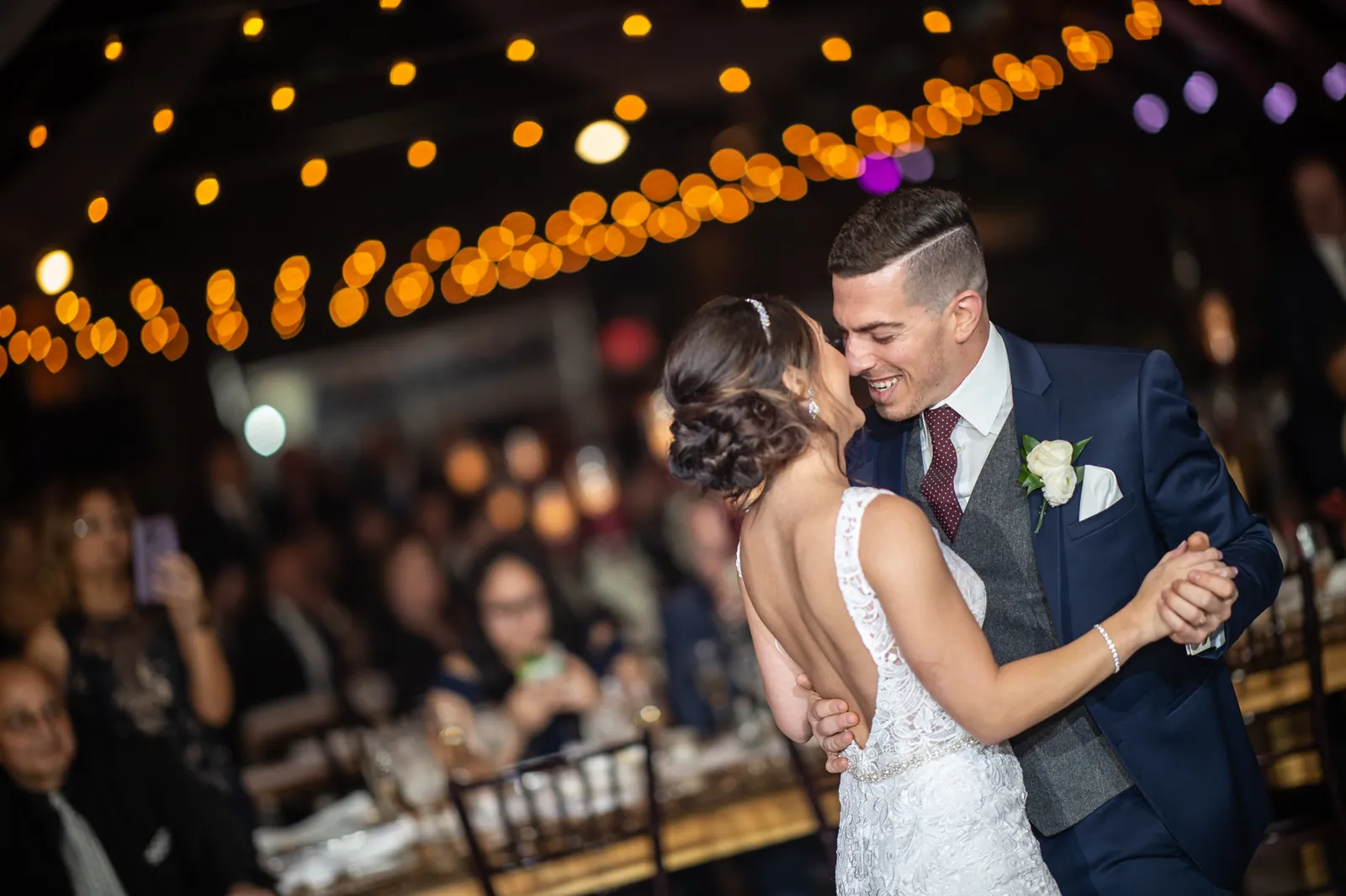
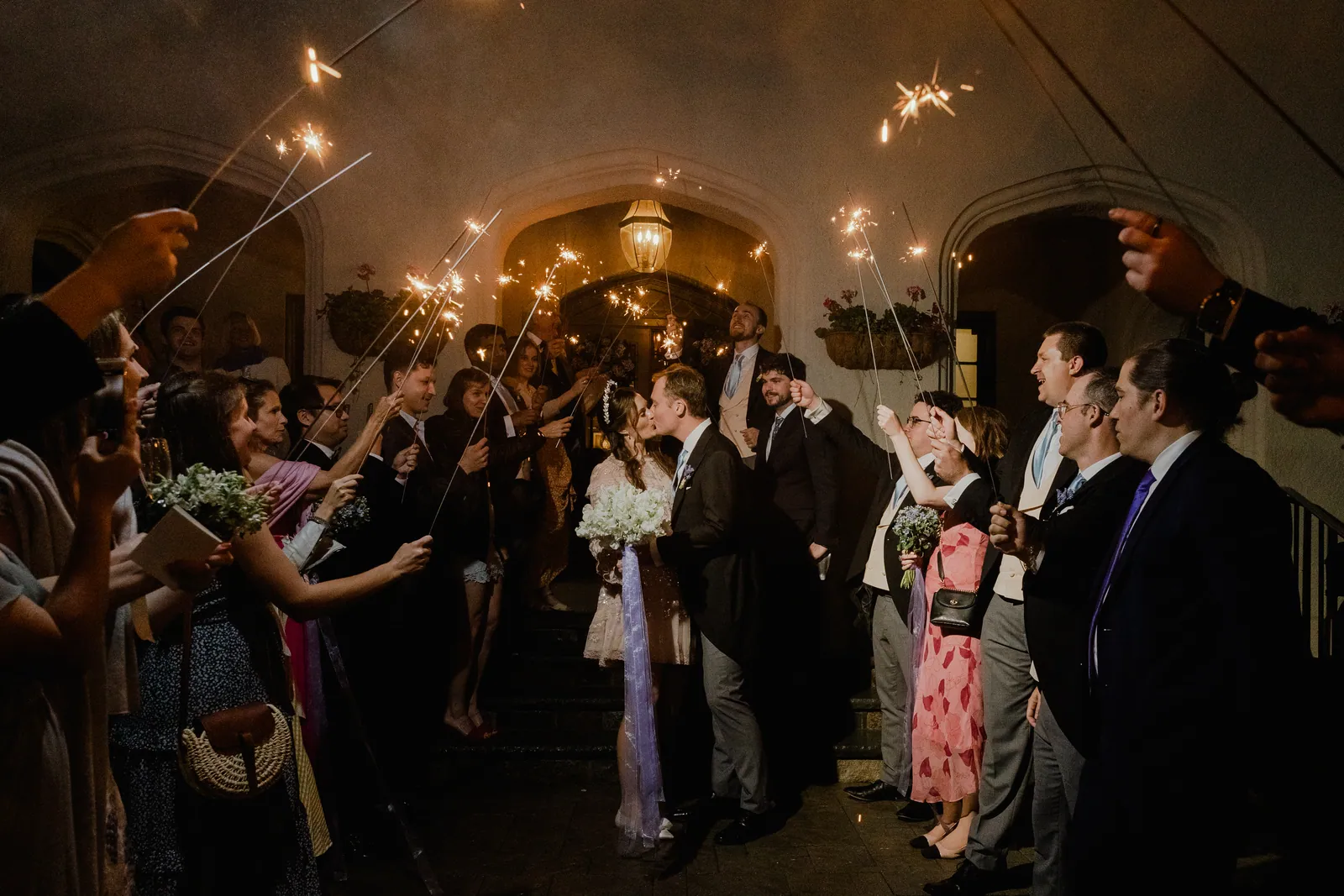
Dark and moody editing often increases contrast and deepens shadows, while colors may be rich or deliberately muted depending on the photographer. Skin tones can read warmer or more dramatic, and the overall feel is cinematic and intimate rather than bright and breezy.
This style often pairs well with venues that already have rich, dim ambient light, such as historic manors, exposed-brick lofts, or candlelit barns. Photographers working in this style typically expose for highlights and let backgrounds fall into shadow, which creates separation and drama.
Where It Shines
- Evening receptions under string lights, uplighting, or candles
- Historic estates, dark wood interiors, or industrial venues
- Fall and winter weddings with shorter days and warmer indoor light
If your reception leans into dramatic lighting design, it is worth coordinating with your photographer in advance. Our guide to designing reception lighting covers how color schemes and intensity affect photos and video alike.
True-to-Color Wedding Photography: What It Looks Like
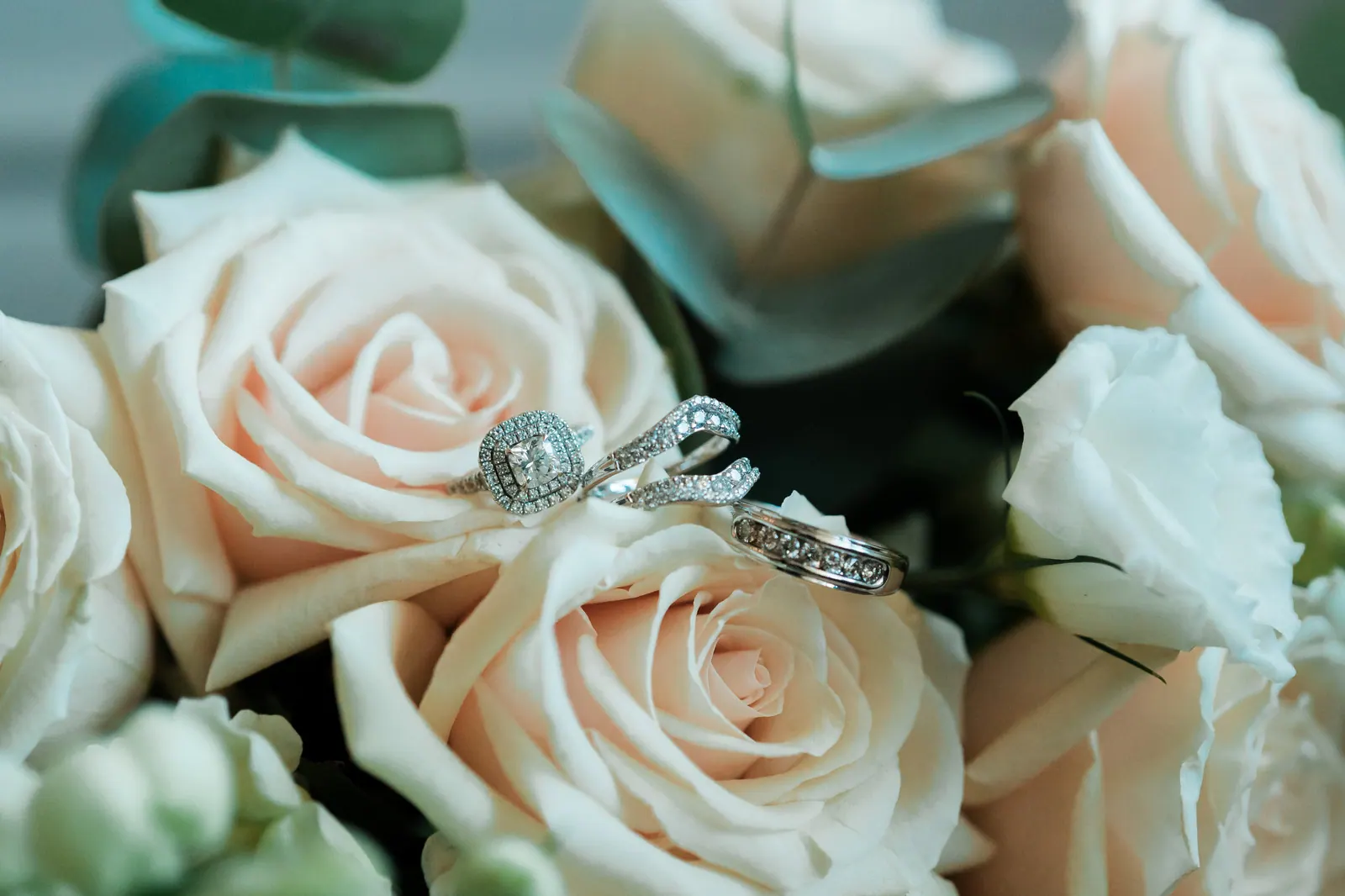
True-to-color photography aims to represent the day as it actually looked, without heavy stylization in either direction. Blue skies, skin tones, florals, and decor are generally rendered close to their appearance at the event rather than being heavily shifted or stylized.
According to The Knot, true-to-color imagery is a rising trend for 2026, with photographers reporting more requests for natural coloring and less aggressive, less contrasty editing overall. Couples who spend significant time choosing a color palette for flowers, linens, and attire often prefer this style because it preserves those choices accurately.
Where It Shines
- Weddings with carefully planned color palettes and florals
- Mixed indoor-outdoor days where consistency across lighting matters
- Couples who want photos that will not look dated by a passing editing trend
Photo and video are edited separately, so ask both teams how they will keep color and tone reasonably cohesive. If you are deciding how your photographer and videographer should work together, our wedding photography basics guide is a good starting point.
Comparing the Three Styles Side by Side
| Factor | Light and Airy | Dark and Moody | True-to-Color |
|---|---|---|---|
| Exposure | Bright, lifted shadows | Lower, deeper shadows | Balanced to match the scene |
| Color saturation | Soft, slightly muted | Rich, often warmer | Natural, not pushed either way |
| Skin tones | Pale, luminous | Warm, dramatic | Accurate to the subject |
| Best natural light | Open shade, golden hour, backlight | Low light, candlelight, string lights | Any consistent light source |
| Best venue types | Beach, garden, vineyard | Historic manor, barn, loft, ballroom | Any venue with a defined color palette |
| Best season fit | Spring and summer | Fall and winter | Year-round |
No style is objectively better than another. The right choice depends on your venue, the time of year, and how you want to feel looking back at your gallery years from now.
How Venue and Season Affect Which Style Works Best
Available light affects the starting point, but flash, continuous lighting, exposure choices, and editing all shape the finished look. A dim ballroom and a bright beach ceremony require different exposure and lighting strategies, even when the photographer applies a consistent editing style.
Jersey Shore venues around Belmar, Manasquan, and Brielle often provide open sky and reflective water, but the final editing style remains a creative choice. Indoor estates and historic properties present a mix of window light, ambient light, and darker spaces, so review complete galleries from similar venues before choosing an editing style.
Rain or overcast skies change the equation further. If your date falls during an unpredictable season, our guide on how photographers handle rain on your wedding day explains how indoor backup plans affect your final gallery’s look and feel.
Questions to Ask Before Choosing a Photography Style
Editing style is one of the hardest things to change after signing a contract, so it pays to ask specific questions during your consultation.
- Can I see complete edited galleries from several weddings, not just a portfolio of highlights?
- How do you handle editing when the venue has mixed or low light, such as a sunset ceremony followed by an indoor reception?
- Do you adjust your style based on venue and season, or is your editing consistent across every wedding?
- Can you show examples of how you handle skin tones, mixed lighting, and difficult reception light in final delivered images?
- How long after the wedding will I receive highlights versus the full gallery?
FNA Events typically delivers wedding photo highlights within about seven days and the full digital gallery in roughly 30 to 60 days, which gives couples a realistic sense of what to expect when comparing photographers on turnaround time alone.
Can You Mix Styles or Request a Custom Look?
Many photographers are flexible within a range, even if their portfolio leans strongly toward one style. It is reasonable to ask whether a photographer can pull back on heavy editing for your gallery, or add a bit more warmth and contrast, without asking them to abandon their core approach entirely.
Be cautious, though. A photographer whose entire portfolio is dark and moody will likely struggle to deliver a convincingly light and airy gallery, and vice versa. Style requests work best as adjustments within a photographer’s existing skill set, not a complete reinvention for your one event.
FNA Events provides wedding photography across New Jersey, New York, and the Philadelphia area; review the team’s finished work to see how its approach fits your preferred look. You can see examples of past coverage on our real wedding venue galleries page.
Frequently Asked Questions
Can a photographer shoot both light and airy and dark and moody styles well?
Some photographers can shift noticeably between the two depending on venue and light, but most develop a dominant style that shows up consistently across their portfolio. Ask to see full galleries from weddings with lighting similar to yours before assuming a photographer can deliver a style outside their usual range.
Does editing style affect how long it takes to receive wedding photos?
Editing style alone does not reliably determine turnaround time; delivery depends more on the photographer’s workflow, workload, team, and promised schedule. Turnaround still depends mostly on the photographer’s workflow and season, so ask directly about expected delivery timelines during booking.
Is true-to-color photography better for black and white conversions later?
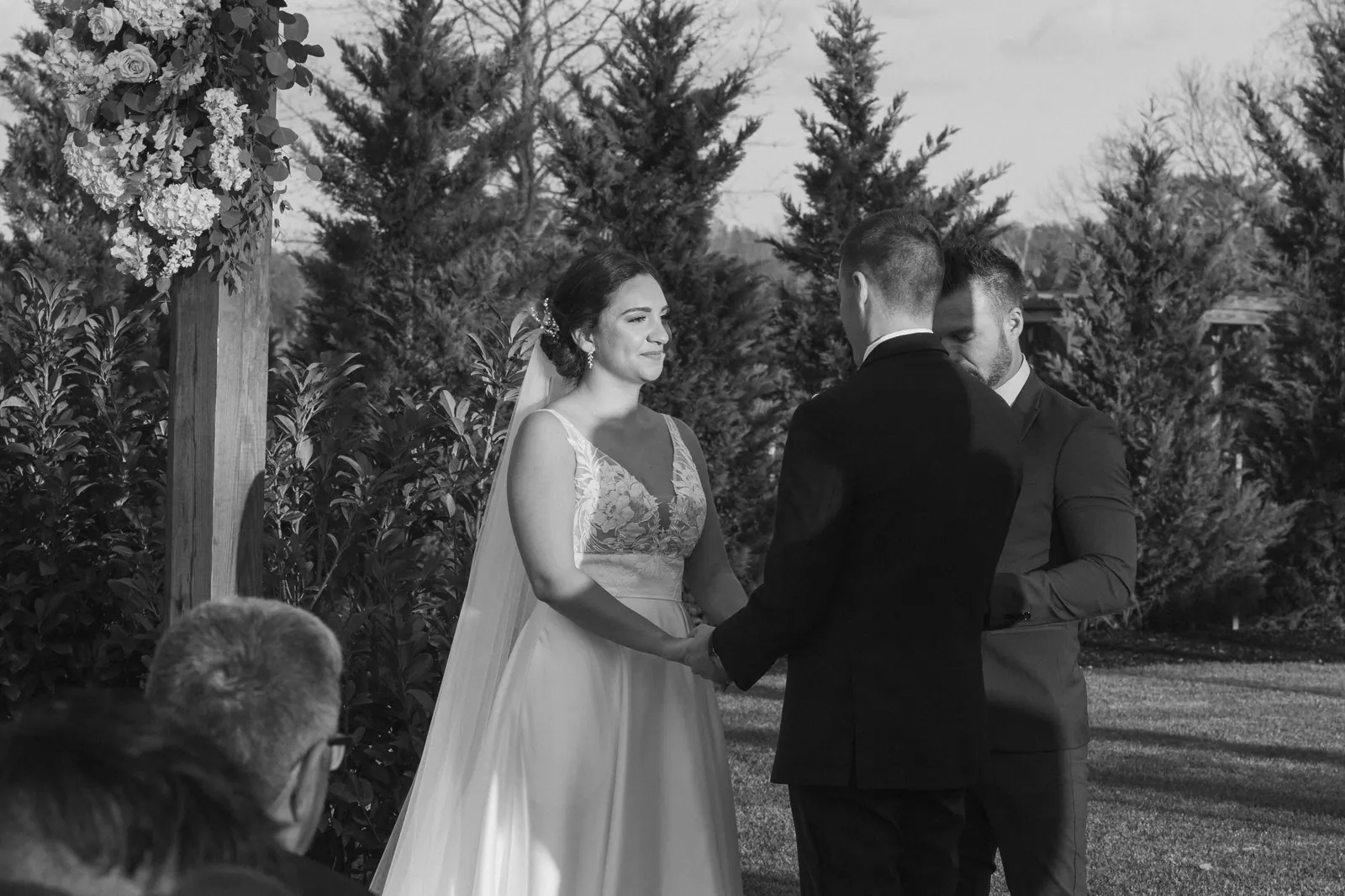
Not necessarily. Strong black-and-white results depend on exposure, lighting, contrast, and the photographer’s monochrome edit, not on whether the color version is true-to-color. Ask whether the photographer creates dedicated black-and-white edits rather than simply converting finished color images.
Should I choose my photography style before or after picking a venue?
You can choose either first, but compare complete galleries made in venues and lighting conditions similar to yours. A sunlit beach ceremony and a dim historic ballroom require different lighting approaches, but either can support a range of editing styles.
Will my photography style match my wedding videography style?
Not automatically, since photo and video editing are handled separately even when booked through the same company. Ask your photographer and videographer to review each other’s sample work so the final gallery and film feel cohesive rather than mismatched.
Sources
- The Hottest 2026 Wedding Photography Trends You’ll Want to Save – The Knot
- Palisades Interstate Park Photography Permit Information
- Ringwood State Park Special Use Permit – Paid/Professional Photography (NJ DEP)
Ready to Check Your Date
If you are planning a wedding or celebration in New Jersey, New York, or the Philadelphia area, the FNA Events team can walk you through DJ and MC entertainment, photography, videography, live music, enhancements, and photo booths, all run by one coordinated crew. Call (844) 373-7411 or visit our contact page to share your date and venue and get pricing for your celebration.
Written by the team at Fresh New Angle Events, Toms River, New Jersey wedding DJs, photographers, videographers, and event professionals serving couples across New Jersey, New York, and the Philadelphia area.