Handling Timeline Delays: What to Do When Your Wedding Runs Late
Quick answer: When a wedding timeline slips, the fastest fix is reshuffling the order of events rather than rushing them: trim or move cocktail hour, let your DJ/MC adjust announcements on the fly, and have your photographer and videographer shift to a tighter but still complete shot list. A good vendor team treats a delay as a logistics problem, not a crisis.
Key takeaways
- A short ceremony delay may be absorbed by adjusting cocktail hour or photo timing, but the venue and catering team should approve any change that affects dinner or reception time.
- Your DJ/MC and photographer/videographer need a shared “if this slips, then that happens” plan before the wedding day, not during it.
- If hair and makeup, transportation, or another vendor runs late, notify the coordinator and affected vendors immediately so they can revise the next transition.
- A day-of coordinator, venue manager, or designated couple representative should approve timeline changes while the DJ/MC communicates updated reception cues.
- Building reasonable buffers into getting-ready and travel blocks can keep small setbacks from affecting the ceremony.
Why Do Wedding Timelines Slip in the First Place?
Timeline delays can result from hair and makeup running long, traffic, transportation problems, weather, or an earlier part of the schedule taking more time than planned. In New Jersey and the Philadelphia area, shore-town summer traffic, Parkway congestion, and unpredictable weather add extra variables that inland or indoor venues do not face.
None of this means your wedding is doomed to run late. It means the vendors on your timeline need a plan for absorbing small delays before they snowball into big ones. A flexible plan can keep a short delay from becoming a missed portrait window or a shortened reception.
How Much Delay Can Your Timeline Actually Absorb?
Not every delay affects guests the same way. A brief ceremony delay may be manageable, particularly when guests are comfortable and vendors receive an updated start time. A ceremony that starts 45 minutes late can compress cocktail hour, push back dinner service, and cut into dance time if nothing is adjusted.
The table below offers example delay scenarios and possible adjustments for weddings across New Jersey, New York, and the Philadelphia area.
| Delay Length | Likely Cause | First Adjustment |
|---|---|---|
| 5-15 minutes | Guests seating late, officiant running behind | Absorb silently, no announcement needed |
| 15-30 minutes | Wedding party travel, photo session running over | Shorten cocktail hour or extend it with music, hold dinner call |
| 30-60 minutes | Late vendor arrival, weather delay, venue turnover issue | Combine cocktail hour and photos, move toasts earlier, trim open dance set later |
| 60+ minutes | Transportation failure, major weather event | Re-sequence reception order (dinner before formal dances), cut non-essential segments |
The goal is always the same: protect dinner service and the couple’s key moments first, and treat extra dance time or optional segments as the flexible part of the evening.
What Happens When a Vendor Runs Late?
Late vendors are uncommon, but when they happen, the response matters more than the cause. If a photographer is delayed, the coordinator should confirm the revised arrival time, preserve essential photo opportunities where possible, and ask the photography and video teams to revise their coverage priorities without assigning one vendor another vendor’s role.
Every vendor at your wedding should know who the backup point of contact is. FNA Events keeps a backup laptop, microphone, and speaker system at every event specifically so that equipment issues never become the reason a timeline slips. For schedule changes, the DJ/MC, photographer, videographer, coordinator, venue, and catering team should share updated timing and cues.
If you are still finalizing who covers your day, our guide on how to coordinate your DJ, photographer, and videographer walks through how to set up this communication before the wedding.
Adjusting Entertainment When the Ceremony Runs Long
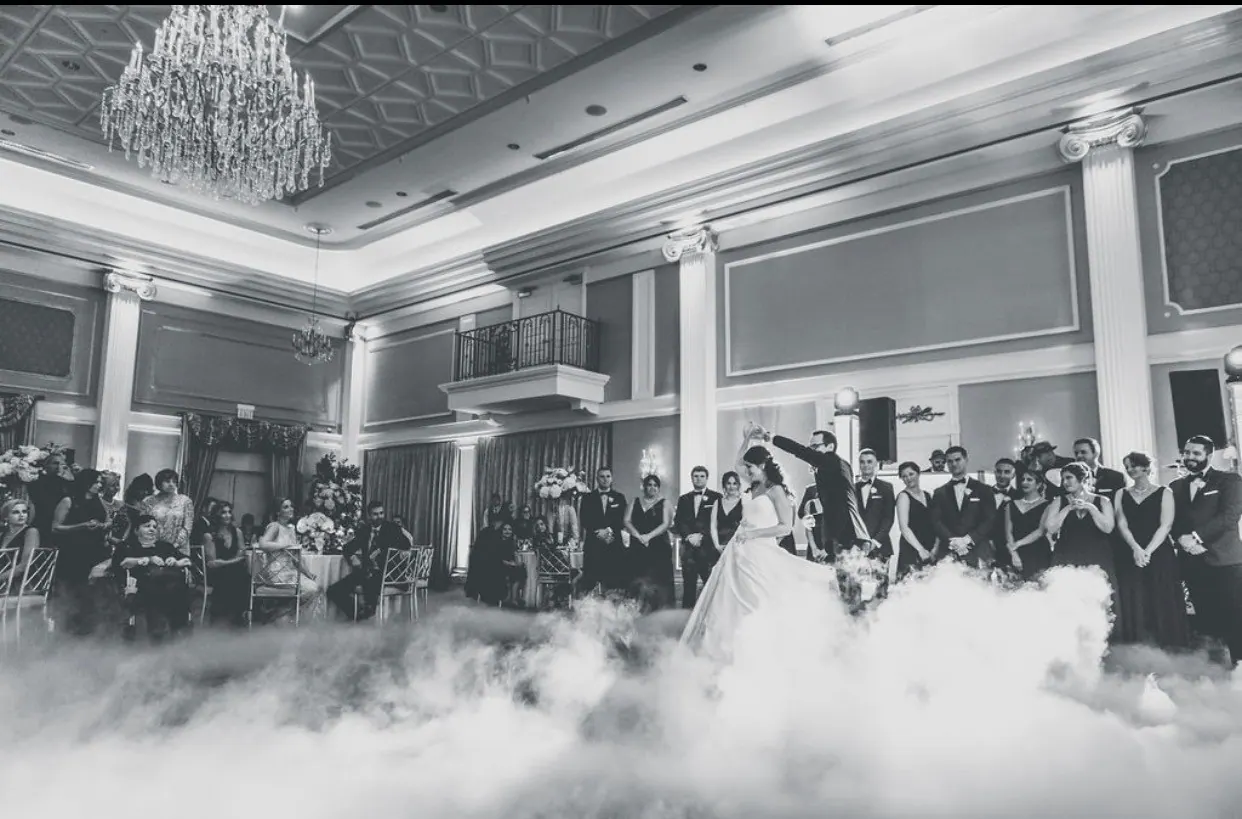
When a ceremony delay pushes into cocktail hour or reception time, your DJ and MC are often the first to feel it and the first able to fix it. A strong MC can extend cocktail hour music without it feeling like filler, delay the grand entrance announcement by a few minutes, or shift the toast order so dinner service still starts on time.
Live musicians add another layer of flexibility. If a ceremony is delayed, a ceremony or cocktail musician may be able to continue prelude music within the booked coverage window; ask in advance how overtime or schedule changes are handled. See our live wedding musicians page for how this pairs with a DJ setup, and our ceremony and cocktail music planning guide for sequencing options.
- Extend prelude or cocktail music in 10-15 minute increments rather than cutting it entirely
- Move optional traditions (bouquet toss, anniversary dance) later or drop them if time is tight
- Keep the first dance, parent dances, and cake cutting as fixed points whenever possible
- Let the MC make a brief, warm announcement if guests need to know about a change in order
Keeping Photo and Video Coverage on Track
Photographers and videographers work against the clock in a different way than DJs do: lost time often means lost light, not just lost minutes. A ceremony delay that extends beyond golden hour can leave less daylight for portraits and may require an indoor or after-dark alternative.
When this happens, the priority shifts. FNA photography coverage typically delivers about 200 photos per hour, but a shortened portrait window still requires the photographer and couple to prioritize the most important groups and moments. Family formals and the wedding party typically come first, with couple portraits moved to right after the ceremony or worked into the reception if needed. For couples planning around natural light, our guide on planning a first look explains how doing portraits before the ceremony protects against this exact problem.
Videographers facing the same squeeze will often prioritize ceremony audio and key reception moments (toasts, first dance) over supplemental b-roll, since those segments cannot be recreated later. Couples can ask the cinematic wedding videography team how coverage priorities would change if the schedule slips.
A Simple Communication Plan for Timeline Changes
The single biggest factor in a smooth recovery from a delay is communication, not speed. Vendors scrambling independently tend to make conflicting decisions; vendors working from one shared plan adjust together.
- Identify one point person on-site (day-of coordinator, venue manager, or lead vendor) who owns timeline decisions
- Share any delay with all vendors at once, not one at a time, ideally by group text or radio
- State the new target time for the next fixed event (ceremony start, dinner service, first dance)
- Confirm which optional segments are being shortened or cut, not left ambiguous
- Have the MC make any guest-facing announcement so guests are not left guessing
This is also why vendor coordination should be discussed before the wedding, not improvised during it. Use our complete wedding planning timeline and checklist to map the day before discussing contingency plans with your vendors.
Preventing Delays Before They Start
The best way to handle a delay is to never need to. Travel between getting-ready locations and the ceremony can take longer than expected, especially during summer weekends near the Shore, so check live traffic and allow a route-specific buffer.
Building in buffer time protects the rest of the day:
- Add 15-30 minutes of travel buffer for any shore-area wedding in June through September
- Schedule hair and makeup to finish 30 minutes before you actually need to leave
- Confirm vendor arrival windows in writing a week before the wedding, not just the booking confirmation
- Ask your coordinator or DJ/MC to hold a printed timeline as backup to the digital version
Outdoor ceremonies carry their own timing risk from weather, which is worth planning for separately. For couples marrying along the coast, our beach wedding planning checklist and NJ beach and park permit guide cover the logistics that most often cause last-minute scrambling.
When to Lean on Your Vendor Team vs. a Separate Coordinator
Not every wedding needs a dedicated day-of coordinator, but every wedding needs someone willing to make real-time calls when the timeline shifts. At a smaller wedding without a coordinator, designate a trusted representative to approve changes while the DJ/MC manages announcements and reception cues.
At larger or more complex weddings, especially ones with multiple locations, religious requirements, or a long guest list, a dedicated coordinator paired with an experienced DJ and MC team gives you redundancy. Neither role is a substitute for a solid original timeline, but both matter more on the day something actually goes sideways. If you are still deciding how much entertainment coverage you need, our premium wedding DJ packages page outlines coverage hours and what is included.
Frequently Asked Questions
Who is responsible for keeping the wedding on schedule?
A day-of coordinator typically manages the schedule when one is hired. Otherwise, the couple should designate a venue contact or trusted representative to approve changes, while the DJ/MC coordinates announcements and reception cues with the other vendors.
Should I build buffer time into my wedding day timeline?
Yes. Adding 15-30 minutes of buffer around getting-ready, travel, and vendor arrival windows absorbs most small delays before they reach the ceremony. This is especially important for shore-area weddings in New Jersey during summer weekends, when traffic can add unpredictable time to any transition.
What happens if my photographer is late to the ceremony?
A late photographer rarely derails the day if the rest of the team communicates. The coordinator should confirm the photographer’s arrival time and work with the photo team to preserve essential coverage; do not assume the videographer can replace still photography or that the processional should be changed. The photographer typically prioritizes family formals and the wedding party first once they arrive, moving couple portraits later if needed.
Can cocktail hour be shortened without guests noticing?
Yes, within reason. A modest cocktail-hour adjustment may be manageable, but confirm any change with the venue and caterer and keep guests informed if the wait becomes noticeable.
Does rain or weather commonly cause wedding timeline delays in New Jersey?
Weather can delay setup, guest seating, and photography at outdoor and shore-area ceremonies in New Jersey. Couples planning outdoor ceremonies should have a rain plan and a flexible timeline buffer built in ahead of time.
Ready to Check Your Date
If you are planning a wedding or celebration in New Jersey, New York, or the Philadelphia area, the FNA Events team can walk you through DJ and MC entertainment, photography, videography, live music, enhancements, and photo booths, all run by one coordinated crew. Call (844) 373-7411 or visit our contact page to share your date and venue and get pricing for your celebration.
Written by the team at Fresh New Angle Events, Toms River, New Jersey wedding DJs, photographers, videographers, and event professionals serving couples across New Jersey, New York, and the Philadelphia area.